Trump Is Set To Change The Tariffs From 10% to 15%
On 24 February, the US was all set for the new 10% tariff to come into force, which was decided would replace tariffs scrapped by the court on all goods entering the US. Unfortunately, it has increased to 15% now, raising questions for countries such as the UK and Australia.
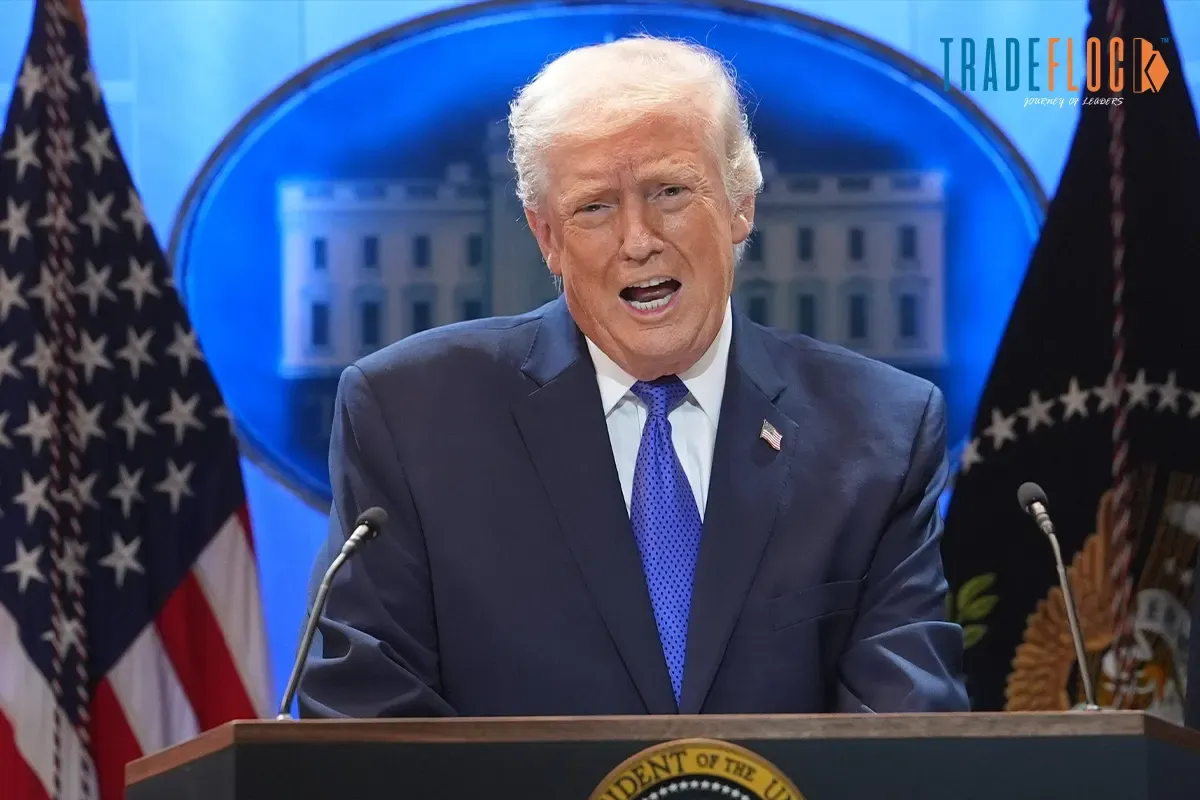
On 24 February, the US was all set for the new 10% tariff to come into force, which was decided would replace tariffs scrapped by the court on all goods entering the US. Unfortunately, it has increased to 15% now, raising questions for countries such as the UK and Australia. It means that US businesses now have to pay a 15% tariff on most goods imported into America, under section 122 of the Trade Act of 1974. But some products will be exempted, such as minerals and metals. However, a separate tariff will still be imposed on steel, aluminium, and automotive plants.
The US President has claimed that this increase will benefit the country’s economy by encouraging businesses to invest and produce goods in the US. Under the 6-3 decision, the U.S. Court found that Trump had exceeded his powers by imposing sweeping global tariffs, for which the U.S. had already collected about $130bn. Also, according to the UK business group, the 15% import tariffs are being considered harmful to trade, US consumers, and businesses, which will damage the US economic growth.
Also read: Consumers and Businesses Covered 90% of 2025 Tariffs
The Supreme Court ruling has given consumers and businesses a chance to seek reimbursement for tariffs-related costs, which could take years. Many companies have applied for such reimbursements. Whether the chief policy officer or the Democrats argue that refunds of the tariffs would be meaningful for more than 200,000 small business importers, or to process a smooth solution to pay back the loss incurred due to this imposition. The whole nation is looking forward to turning this drastic change into a boon for growth.
Share this article Latest News Categories More News