Always Becoming, Never Arriving: The Quiet Anxiety of Constant Upgrading
There is a particular unease that settles in not during moments of failure, but during moments of apparent competence. The work is getting done, expectations are being met, and yet there remains a persistent sense that what feels sufficient today may soon be judged inadequate.
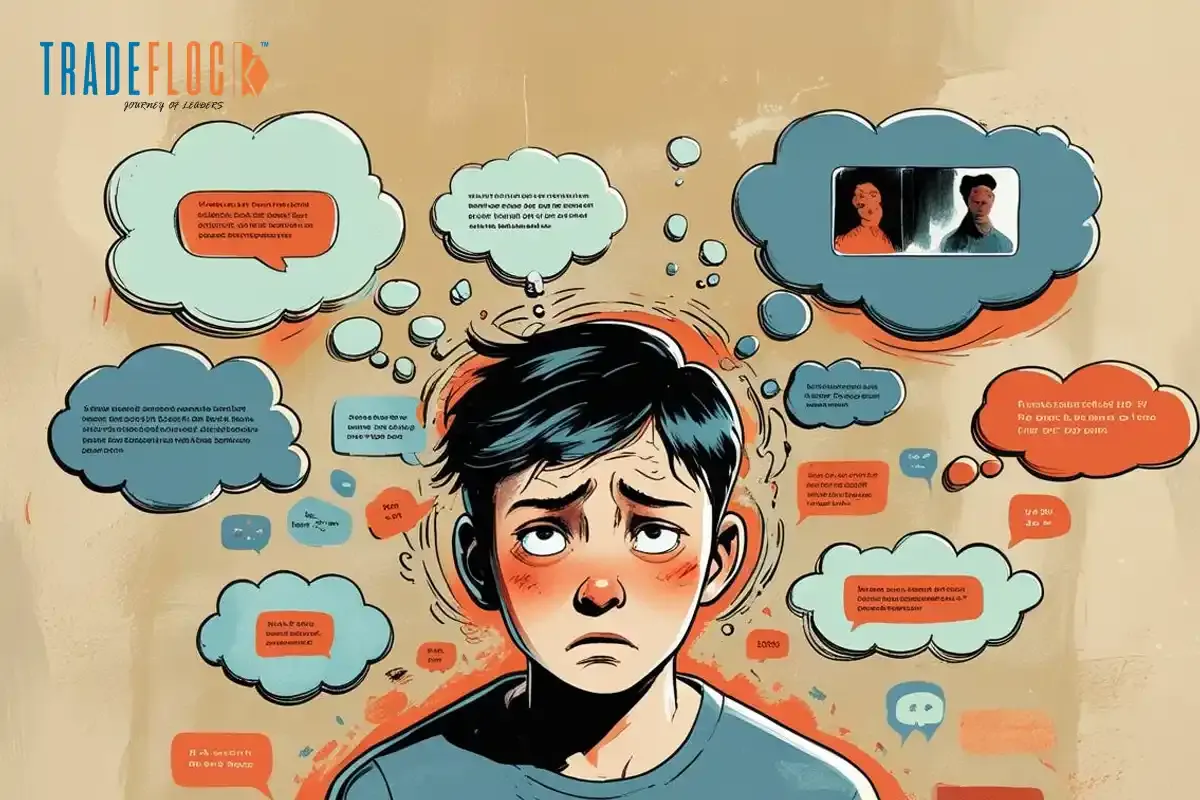
There is a particular unease that settles in not during moments of failure, but during moments of apparent competence. The work is getting done, expectations are being met, and yet there remains a persistent sense that what feels sufficient today may soon be judged inadequate. This is not the anxiety of being unprepared, but of being prepared for a world that no longer stands still long enough to reward preparedness.
For much of professional life, progress once carried a sense of arrival. Skills were learned, tools were mastered, and experience accumulated into lasting confidence. Today, progress feels provisional. It moves continuously, demanding upgrades not only in technology but in capability, relevance, and even identity. Improvement no longer signals advancement alone; it signals survival.
This unease does not come from resistance to learning. Most professionals accept that change is inevitable. What unsettles them is the permanence of expectation. By 2027, more than 60 per cent of professionals believe their core skills will require significant updating within the next three years, while nearly half worry that falling behind will be noticed long before it can be corrected. Learning has shifted from being developmental to defensive, undertaken less to grow than to remain visible.
When Growth Stops Feeling Like Progress
The pressure rarely arrives as instruction. No one explicitly demands constant reinvention. Instead, platforms update, tools evolve, roles expand, and benchmarks quietly reset. What counted as competence a few years ago now feels conditional. Experience, once a stabilizing asset, increasingly feels time-bound. Professionals find themselves managing not only their workload but also their perceived relevance, carrying an unspoken question with every task about how long it will continue to count.
Organizations often frame this environment as empowering. Continuous learning is positioned as an opportunity, and adaptability is a strength. Yet the lived experience is more complicated. When upgrading becomes constant, growth loses its restorative quality. Learning no longer feels like an investment in the future, but like rent paid to remain present. The vigilance of maintenance replaces the satisfaction of mastery.
This dynamic has subtle consequences. Cognitive load increases as people juggle not only tasks but also trajectories. Attention fragments between current responsibilities and future readiness. Even success feels fragile, because it is understood as temporary. The anxiety is quiet because it is normalized, shared, and rarely named. Everyone feels it, so no one questions it aloud.
As we approach 2027, organizations that succeed will be those that balance adaptability with stability, because more than 60% of professionals now anticipate significant reskilling every three years, yet most report that constant upgrading erodes confidence more than it bolsters it.
The Cost of Never Being Done
What often goes unexamined is what constant upgrading extracts over time: shifts in motivation. Curiosity becomes transactional. Learning choices are guided less by interest than by perceived market value. Professionals begin to ask not what they want to know, but what they must know next. Identity itself becomes provisional, tied to skills that are expected to expire.
By 2026, nearly 57 percent of workers report experiencing learning fatigue, describing a sense of exhaustion not from workload alone, but from the ongoing pressure to stay current. This fatigue does not produce resistance; it produces compliance. People keep upgrading, but with diminishing returns in confidence or fulfillment.
The irony is that organizations often depend on stability even as they demand constant change. Judgment, mentorship, and long-term thinking still rely on depth, not just novelty. When everyone is perpetually upgrading, fewer people feel anchored enough to provide that depth. Experience becomes undervalued not because it lacks worth, but because it lacks immediacy.
Relearning What Progress Is For
The challenge ahead is not to slow down progress, but to rethink what progress means. Continuous learning is not bad by itself. It only becomes a problem when it lacks purpose and proper timing. Growth needs pauses to allow knowledge to turn into confidence instead of being immediately replaced.
Organizations that understand this are trying new ways to show value. Some are separating learning from constant visibility. Others are rewarding deep understanding alongside flexibility. These changes recognize a simple truth: people need time to feel successful before starting again.
The stress of always needing to upgrade does not mean people are not ambitious. It shows that our idea of progress has become too narrow. For growth to matter, it must include not just becoming something new, but also appreciating where we are now. Otherwise, professionals will keep moving forward but never feel like they have truly arrived.
Share this article Latest News Categories More News