Leading in the Era of Fragile Customer Loyalty
Loyalty is discussed constantly in business circles as if it were a stable asset, yet what feels different in 2025 is how situational customer loyalty has become.
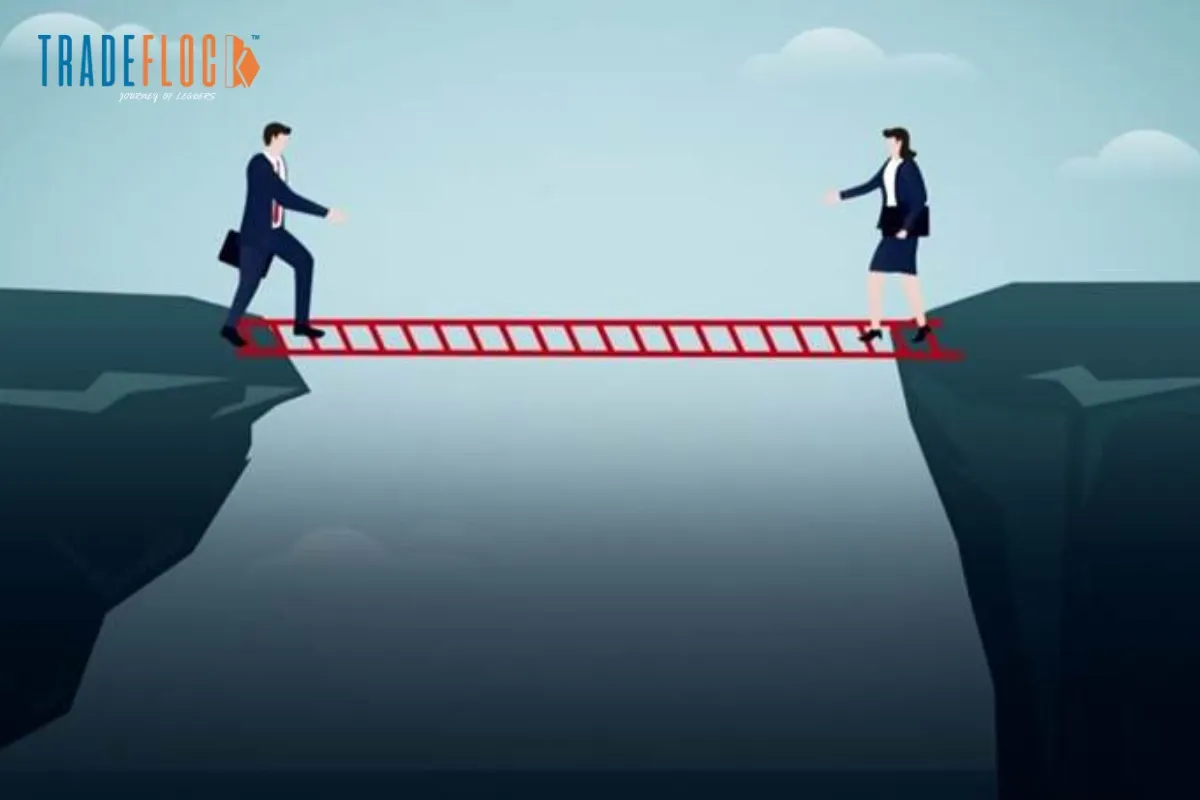
Loyalty is discussed constantly in business circles as if it were a stable asset, yet what feels different in 2025 is how situational customer loyalty has become. Recent industry data shows that deep, trust-based loyalty now sits below 30% globally, reflecting a steady decline as customers place greater weight on recent interactions than on long histories of brand familiarity. Loyalty, once quietly accumulated over time, now behaves more like a condition that is repeatedly reassessed, even as many leadership teams continue to plan as if older assumptions still hold.
Not long ago, loyalty relied heavily on familiarity and friction. Customers stayed because brands were known, choice was limited, and leaving required effort that few were eager to invest. That friction kept relationships intact even when experiences were unremarkable. Over time, this resistance faded as options multiplied, information became instantly accessible, and comparison turned effortless through digital tools. Customers did not become disloyal in intent; they simply became less attached by default because staying stopped was no longer the easiest option. When moving on felt simpler than remaining, loyalty loosened quietly.
Most organizations responded in predictable ways as loyalty began to feel less secure. Loyalty programs expanded, digital engagement intensified, and investment accelerated. By 2025, more than 90% of companies worldwide will operate a loyalty program, and nearly 80% of consumers will report being enrolled in at least one. Members of loyalty programs continue to generate 12 to 18% more revenue than non-members, reinforcing why these systems remain central to retention strategies. Yet emotional attachment continues to thin, exposing a growing gap between participation and commitment.
What the Data Is Really Pointing To
Customer behavior helps explain this contradiction. Tolerance has narrowed sharply, with recent studies showing that many customers reconsider their relationships with brands after just one or two negative experiences. This shift is driven less by rising expectations than by constant access to alternatives. When service slows, communication feels impersonal, or processes introduce friction, customers rarely escalate concerns. They disengage and move on.
Technology was widely expected to stabilize this fragility. Personalization tools improved, data sets deepened, and artificial intelligence entered customer service and loyalty platforms, promising greater relevance and efficiency. Nearly half of large enterprises now plan to expand AI-driven loyalty capabilities by 2026. Customer response remains mixed. Speed is valued, but many customers report little added benefit when automation replaces judgment or empathy. Efficiency without understanding has proven insufficient to rebuild trust.
The economics of loyalty remain compelling despite these challenges. Even modest improvements in retention still deliver disproportionate gains in profitability, as loyal customers spend more and stay longer. Across industries, average retention rates hover around 75%, yet annual churn remains high. Loyalty remains a growth driver, but only when experience aligns closely with evolving expectations.
What Leadership Must Adjust Now
This shift places leadership in an uncomfortable position. Loyalty can no longer be treated as something earned once and protected through programs or messaging alone. It must be sustained quietly through everyday interaction, without assuming goodwill will carry forward automatically.
Personalization remains important, though not in the way it is often marketed. Customers are not seeking to be impressed by data or complex systems. They value relevance that reduces effort, avoids repetition, and respects time. The most effective personalization often goes unnoticed, while its absence is felt immediately.
Values continue to influence choice, particularly at early stages, but values alone do not sustain loyalty. Experience determines whether alignment deepens or fades. Design, clarity, and usability shape perception early, and first impressions tend to settle quickly.
Some organizations are responding by reframing loyalty as participation rather than accumulation. Experiential rewards, tiered access, and community-driven engagement are gaining traction because they foster involvement rather than transaction. Loyalty lasts longer when customers feel included rather than managed.
Inconsistency undermines these efforts most often. Loyalty rarely collapses after a single failure; it erodes through repetition, delayed responses, unclear ownership, and unresolved friction. Leading in the era of fragile customer loyalty requires attentiveness over persuasion. Customers are looking for consistency between the promise and the experience. Loyalty remains fragile, but for leaders willing to understand its new conditions, it remains within reach.
Share this article Latest News Categories More News