The Future of Mental Health: Integrating AI and Human Insight
The conversation around mental health often begins in familiar places: long waiting lists, inconsistent access, not enough clinicians, and rising distress. What feels different today is the quiet confidence many therapists express when they talk about the tools now entering their practice. They describe something close
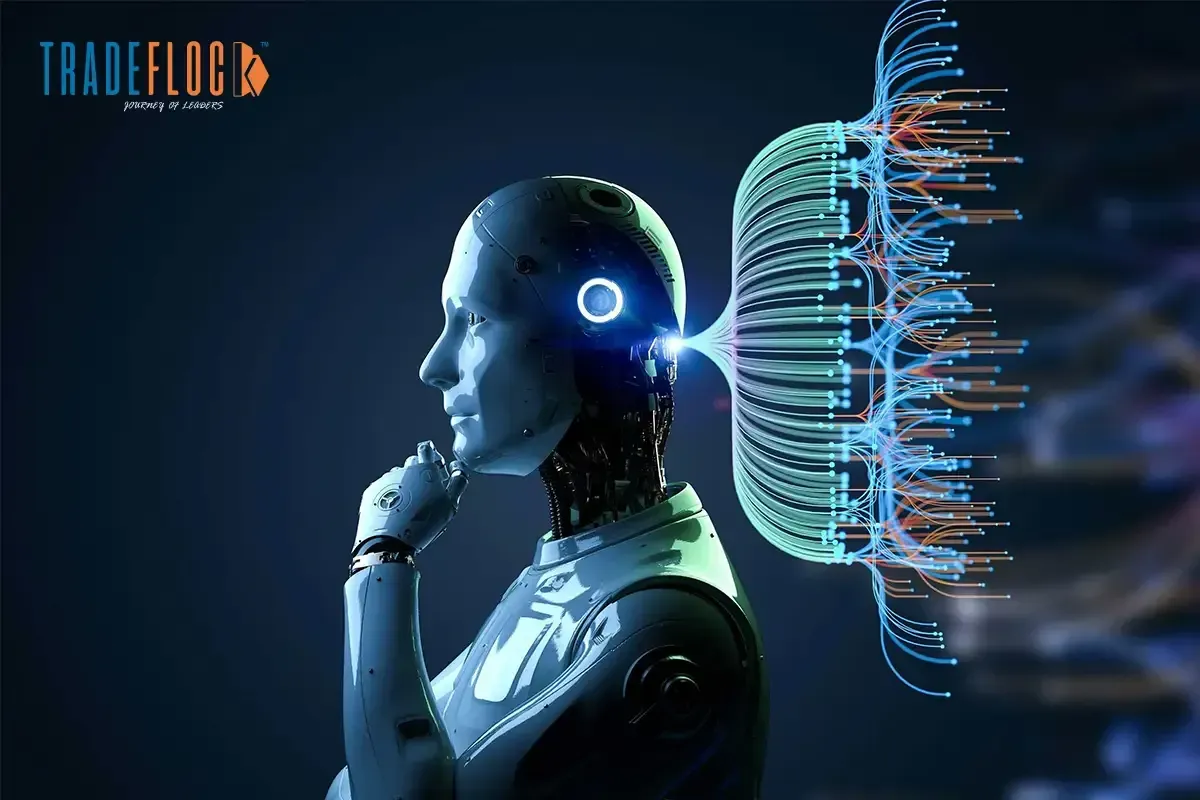
The conversation around mental health often begins in familiar places: long waiting lists, inconsistent access, not enough clinicians, and rising distress. What feels different today is the quiet confidence many therapists express when they talk about the tools now entering their practice. They describe something closer to partnership than disruption, something that extends their intuition rather than replaces it.
Mental health data used to be limited to what patients could articulate in a single session. Now, patterns emerge from hundreds of small signals collected across a week. A mood check logged in an app, a sleep dip recorded by a wearable, a shift in how someone phrases a journal entry. These fragments become a timeline of emotional movement. More than 60 percent of digital mental-health platforms now use some form of AI-enabled pattern detection, and clinicians say it often reveals insights that would have remained invisible without it.
Stories circulate quietly in clinical communities. A therapist notices a patient’s speech becoming shorter and more constrained, something a natural-language model flagged before the therapist consciously felt it. A crisis counselor receives a dashboard alert showing a sudden spike in passive-harm indicators for a teenager who appears outwardly stable. The counselor intervenes early, and the family later admits they had missed the same signals. These moments do not replace clinical judgment; they deepen it.
AI’s growing role becomes even clearer when looking at early prediction models. In pilot studies, emotional downturns predicted by machine-learning systems match real burnout episodes in workplaces with nearly 70 percent accuracy. Another study on digital triage showed that matching patients to therapists using algorithmic fit models improved treatment adherence by close to 30 percent. The technology does not heal, diagnose, or comfort. It simply reduces the distance between suffering and support.
Across the industry, the question shifting the conversation is simple: What would care look like if therapists did not have to wait for the next appointment to understand how someone is doing? The answer keeps expanding. Pulse-check tools run quietly in the background to identify stress peaks. AI-generated summaries condense weeks of emotional journaling into a few coherent insights, helping therapists spend more time responding and less time deciphering. Even medication management has changed, as models help detect subtle patterns in side effects that patients may dismiss or forget to mention.
What AI Adds to the Therapeutic Process
- Early detection of emotional decline patterns
- Better patient-therapist matching
- Smarter triage for high-risk cases
- Reduced administrative load for clinicians
- Real-time tracking of stress and sleep disruptions
- Enhanced continuity between sessions
Patients, however, remain at the center of this evolution. Many describe feeling more supported because help feels present even outside appointments. Daily micro-nudges such as breathing cues, grounding reminders, or check-ins reduce the intensity of emotional spikes. Engagement rises when people feel a system is paying attention between sessions. Nearly 45 percent of users on digital mental-health tools report higher motivation to stay in treatment when AI-supported trackers are part of their routine.
Still, the technology has limits that matter. Bias remains a persistent concern. Emotional expression varies across cultures, regions, and age groups. A system trained on narrow data can misunderstand a community’s norms and generate flawed alerts. Clinicians often describe this as the place where human insight becomes indispensable. They interpret the data, contextualize it, question it, and correct it. AI may recognize patterns, yet only humans understand meaning.
Privacy also shapes the boundaries of what is possible. People want help, not surveillance. They trust systems that explain clearly what data is used, who sees it, and for what purpose. Platforms with transparent data controls report higher engagement and stronger long-term retention. Confidence grows when technology feels like a companion rather than a monitor.
Momentum continues to build as new tools arrive. Community clinics experiment with AI scheduling systems that shorten wait times by predicting no-shows. Emergency departments test conversational agents that help gather symptom histories before clinicians step into the room. Youth mental-health programs use AI-driven voice analysis to identify early anxiety patterns in students who may not verbalise their struggles.
The New Mental Health Ecosystem
| Component | Human Role | AI Role | Impact |
| Therapy Sessions | Insight, empathy, context | Pattern summaries, risk alerts | Stronger continuity of care |
| Triage | Judgment, crisis interpretation | Symptom clustering | Faster matching, reduced delays |
| Daily Support | Encouragement, trust | Micro-nudges, habit tracking | Steadier emotional regulation |
| Case Management | Decisions, ethics | Documentation, trend analysis | Lower clinician burden |
The most promising part of this future is the shared space where AI and human care overlap. Therapists bring the emotional intelligence that no model can replicate. AI contributes the consistency that no human can sustain. Together, they create something resembling a continuous circle of care rather than a series of disconnected conversations.
Mental health is entering a phase defined not by replacement, but by reinforcement. Technology widens the field of view. Humans interpret what lies within it. When the two operate side by side, the system becomes more humane, not less.
The evolution ahead is not about machines becoming more like therapists. It is about therapists gaining tools that allow them to see, hear, and respond in ways that were not possible before. The future of mental health will be shaped by this partnership, one in which artificial intelligence strengthens human insight rather than competes with it.