Commercial Ships Likely Cause of Disruption to the Internet
A recent incident suggests that a ship likely cut cables in the Red Sea, causing widespread internet disruptions across Africa, Asia, and the Middle East. Experts indicate that this event highlights the vulnerability of undersea cables, which have been targeted multiple times over the past year.
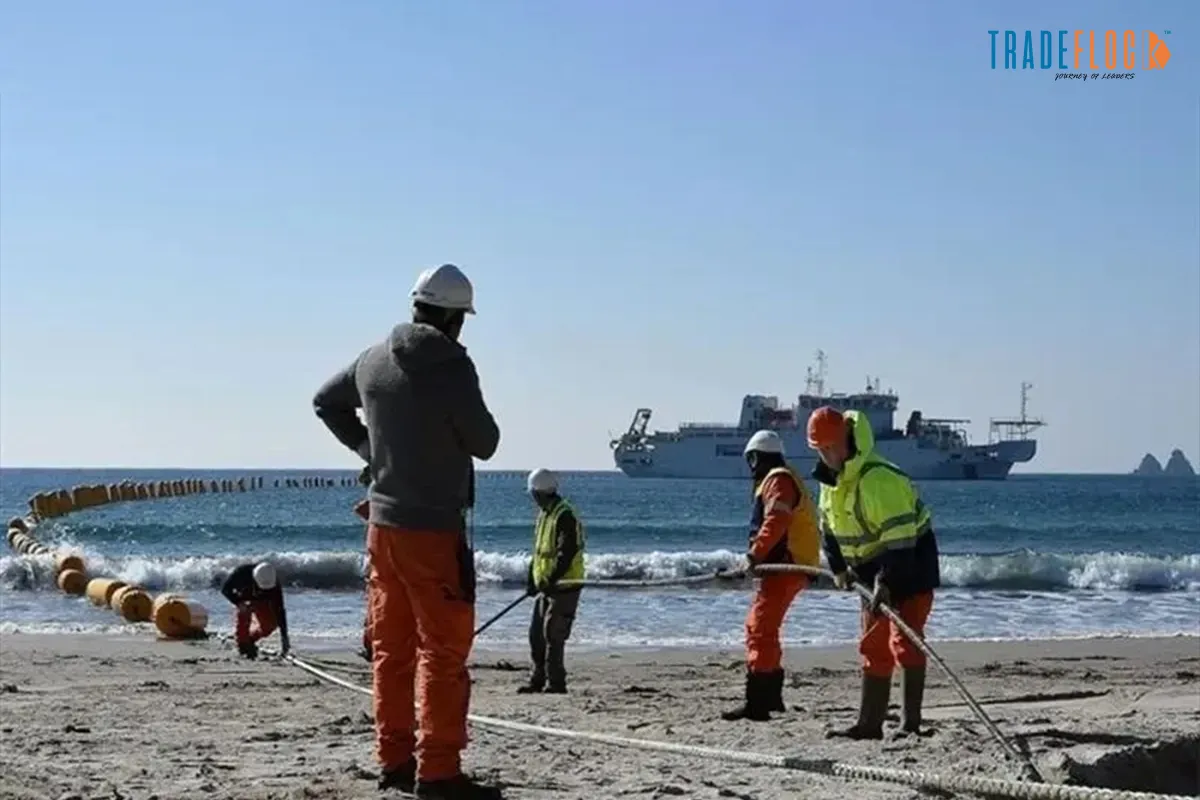
A recent incident suggests that a ship likely cut cables in the Red Sea, causing widespread internet disruptions across Africa, Asia, and the Middle East. Experts indicate that this event highlights the vulnerability of undersea cables, which have been targeted multiple times over the past year.
The International Cable Protection Committee (ICPC) informed the Associated Press that 15 submarine cables traverse the narrow Bab el-Mandeb Strait, a strategic passage connecting East Africa to the Arabian Peninsula. During the weekend, authorities identified multiple affected cables, specifically the South East Asia–Middle East–Western Europe 4, the India-Middle East-Western Europe, and the FALCON GCX. By Tuesday, the list expanded to include the Europe India Gateway cable, according to Doug Madory, director of internet analysis at Kentik. Initial reports suggested the damage occurred off the coast of Jeddah, Saudi Arabia, though the Saudi government and cable operators have not confirmed this. The disruption impacted internet services across several countries in Asia and the Middle East, raising concerns about the fragility of global communications infrastructure.
John Wrottesley of the ICPC attributed the damage to possible commercial shipping activity, noting that dragged anchors from vessels can account for approximately 30% of cable faults annually, roughly 60 incidents. Madory echoed this, suggesting that a vessel likely dropped its anchor, severing the four cables as its anchor was dragged across shallow depths of the Red Sea.
Undersea cables are a critical component of the internet, providing the backbone for global connectivity alongside satellite links and land-based infrastructure. When cables are damaged, internet service providers typically reroute traffic through alternative paths, although such rerouting can cause delays or increased latency for users.
Also Read: After Hyundai Raid, Trump Calls for Training U.S. Workers
The incident has heightened concerns about cable security, especially amid ongoing conflicts in the region. Yemen’s Houthi rebels have reportedly targeted ships amidst the Israel-Hamas conflict, raising fears of coordinated attacks on undersea infrastructure. In early 2024, Yemen’s government-in-exile claimed the Houthis planned to attack cables, and several were subsequently cut, possibly by ships attacked by the rebels, though they deny responsibility. This situation underscores the strategic importance and vulnerability of undersea cables, which remain essential for international communication and commerce.
Share this article Latest News Categories More News