Iran War Raises Global Energy Supply Risks
Oil supplies around the world are feeling pressure because of unrest tied to Iran, with strikes and chaos in the Middle East hitting vital pipelines and sea lanes. One wrong move might spark a shortage not seen in years, experts say. A clash has thrown big parts of the world’s energy flow into chaos, says the internati
Tanishka JainStaff Writer
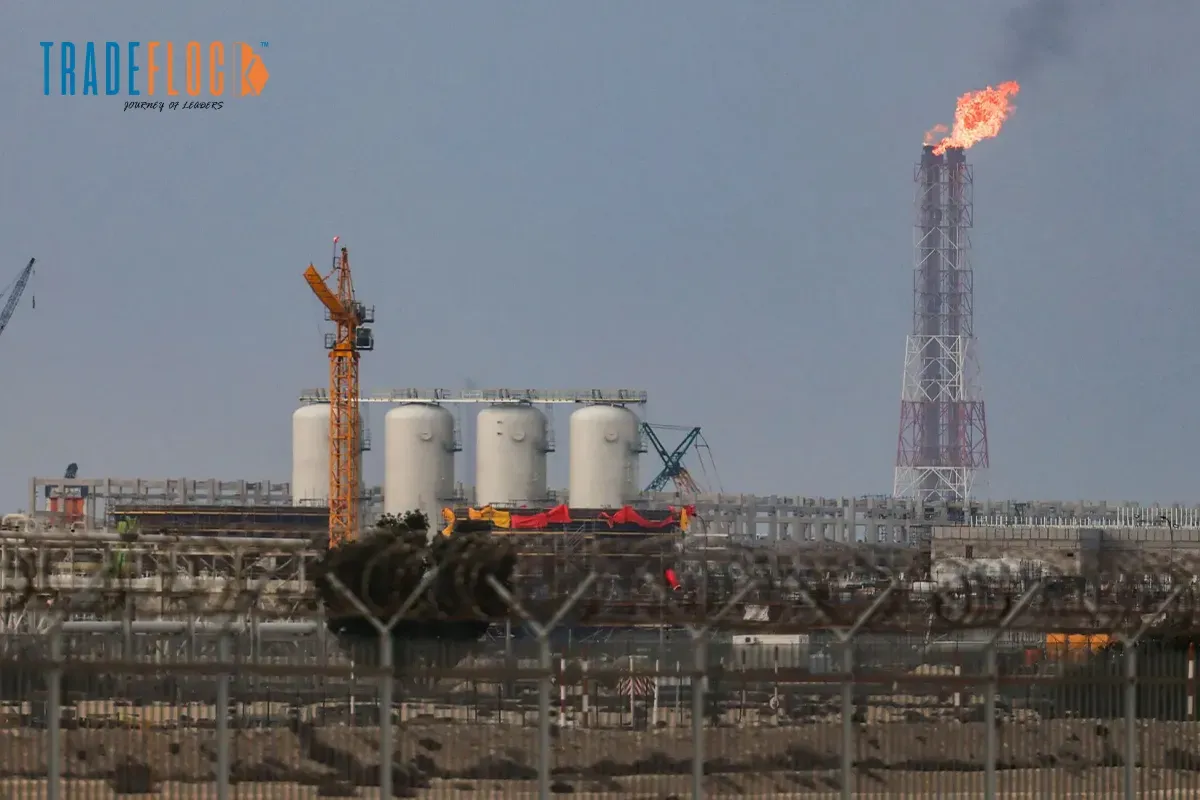
Oil supplies around the world are feeling pressure because of unrest tied to Iran, with strikes and chaos in the Middle East hitting vital pipelines and sea lanes. One wrong move might spark a shortage not seen in years, experts say. A clash has thrown big parts of the world’s energy flow into chaos, says the international energy authority. Since violence sharpened, nearly four dozen power sites in nine different countries took heavy hits. Equipment tied to oil and gas now sits broken in multiple regions. Now oil costs more because tensions are rising. When fears grow over access through the Strait of Hormuz, carrying one out of every five barrels worldwide, traders respond fast.
This water path matters a lot. If ships can’t move freely there for long, fuel availability drops. Prices tend to climb under those conditions. Out past Iran’s edge, things have gotten tense. Across the Persian Gulf, drones plus missiles have hit energy sites, some in places like the UAE and Qatar. Production slowed down when those strikes came through. Exports took a hit too, especially where oil and gas flow out regularly. A half-year might pass before oil and gas move normally again from the Gulf, says the International Energy Agency, should fighting drag on. Talks are now underway between the agency and national leaders about what step to take on drawing more from emergency oil stockpiles, being one option. Even small delays here can ripple through the market far away.
Read More: US Manufacturers Feel the Pinch From Trump’s Tariffs
Though often overlooked, daily flows from this region power factories and homes across Asia. When shipments are slow, costs climb, and affecting everything from transport to manufacturing. Trouble in these waters tends to show up fast in oil bills worldwide. Stability here shapes how easily nations keep their lights on and engines running. Safe passage through the Strait of Hormuz? That’s what the expectations point to when talking about balance in global energy markets. Stability might follow, provided attacks on Gulf energy sites stop. One depends on the other, though few admit how fragile the link really is.
Share this article
Latest News
Categories
More News