Microsoft is Investing $1.7 Billion to Acquire Human Waste.
Microsoft has entered a $1.7 billion, 12-year agreement with US-based startup Vaulted Deep, not to expand its AI and cloud infrastructure, but to support its climate objectives. The company will purchase bioslurry human waste, manure, and other organic byproducts, and inject them approximately 5,000 feet underground to
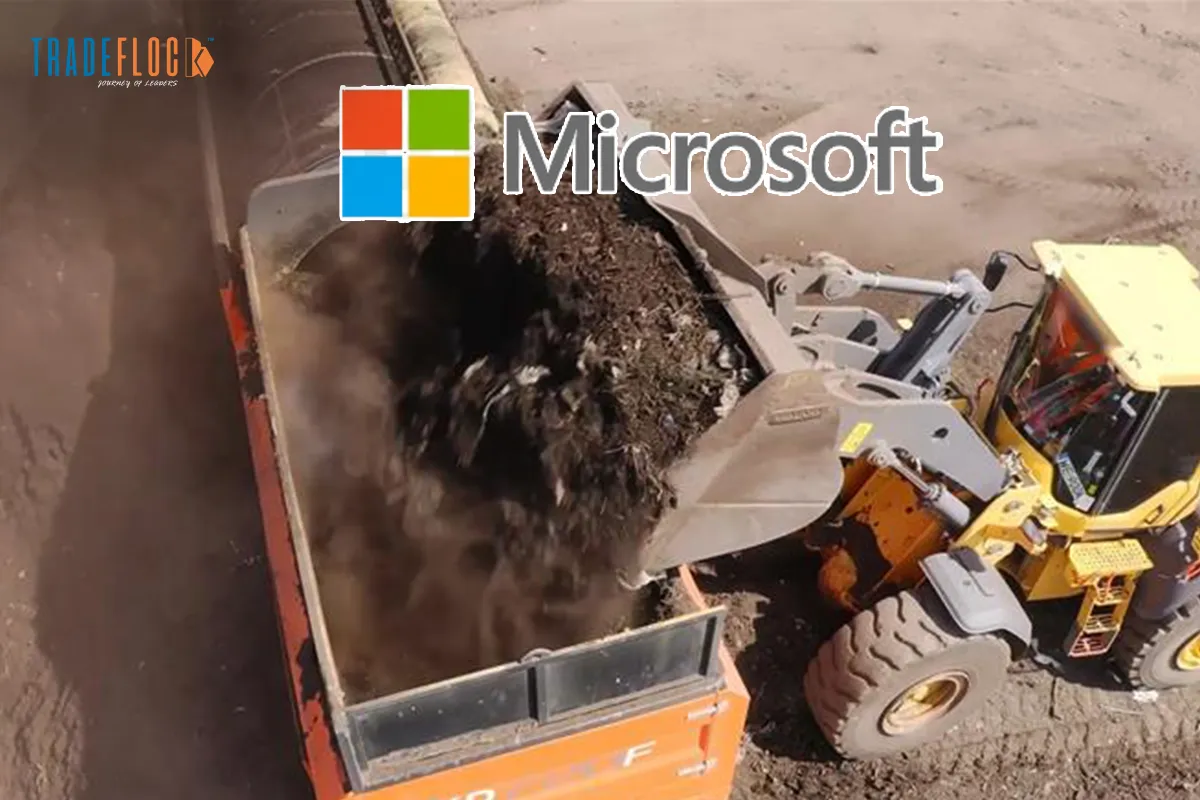
Microsoft has entered a $1.7 billion, 12-year agreement with US-based startup Vaulted Deep, not to expand its AI and cloud infrastructure, but to support its climate objectives. The company will purchase bioslurry human waste, manure, and other organic byproducts, and inject them approximately 5,000 feet underground to help remove 4.9 million metric tons of carbon dioxide from the atmosphere.
This initiative follows Microsoft's expansion of its AI data center operations, which has increased its carbon footprint, estimated at around 23-30% between 2020 and 2024. The company emitted about 75.5 million metric tons of CO2 equivalent from AI infrastructure alone. With an average carbon removal cost of $350 per ton, this deal is one of the largest investments in transforming waste into stored carbon, according to the Wall Street Journal.
Also Read: PayPal to Introduce Cross-Border Platform Integrated with India’s UPI
These emissions originate not only from direct energy use but also mainly from indirect sources like hardware manufacturing, construction materials (such as steel and concrete), and supply chains, referred to as Scope 3 emissions. Nonetheless, Microsoftstrives to achieve carbon negativity by 2030.
The startup's process involves storing bioslurry underground to prevent natural decomposition, which would otherwise release potent greenhouse gases, including methane, a gas at least four times more damaging to global warming than CO2.
Additionally, this approach seeks to address other environmental issues, such as pollution from traditional biosolid disposal methods like spreading on farmland, which can contaminate water and introduce chemicals like PFAS.
“We’re solving a surface-level problem by locking it permanently beneath the ground,” said Vaulted Deep CEO Julia Reichelstein in an Inc. interview.
Beyond this, Microsoft has committed to removing all its historical emissions by 2050. The company has already purchased over 83 million tons of carbon removal credits, with 59 million bought just this year.
Share this article Latest News Categories More News