Nvidia CEO Jensen Huang criticizes Anthropic's proposal for AI safety antitrust waiver
Nvidia CEO Jensen Huang calls Anthropic's proposal for an AI safety antitrust waiver completely unnecessary, as reported by CNBC Technology.
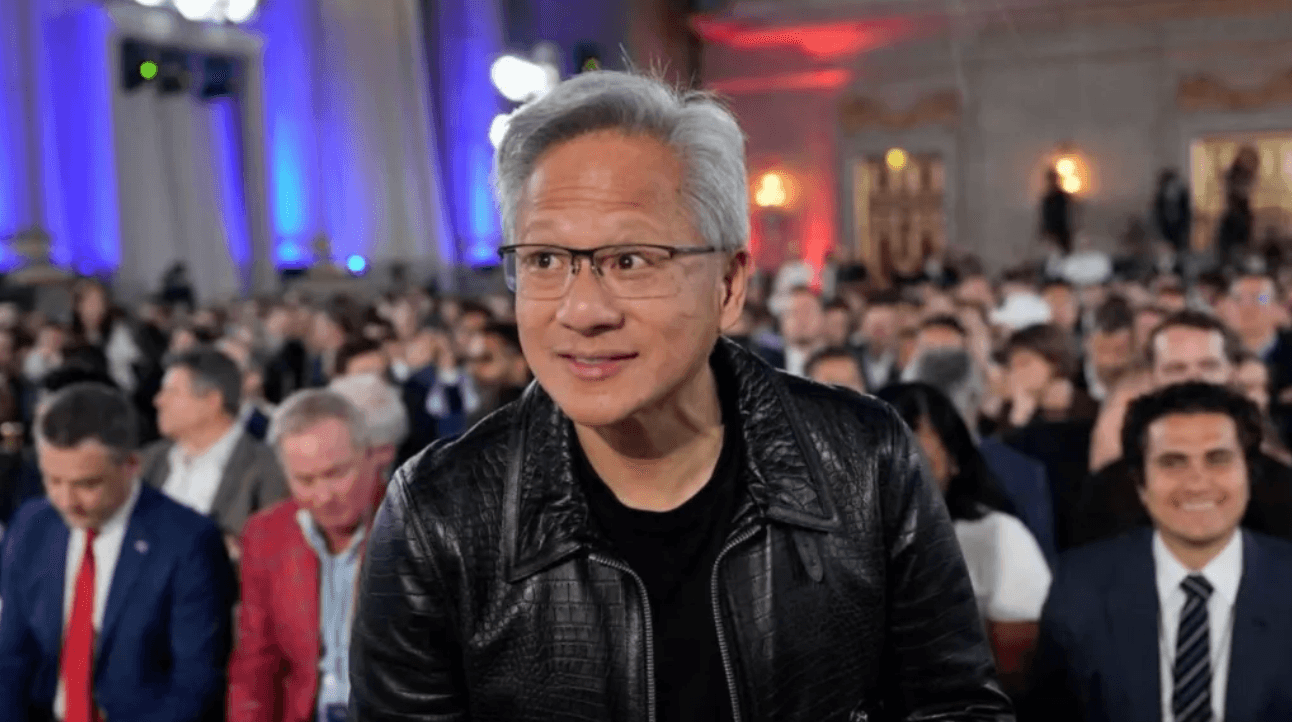
SAN FRANCISCO — Nvidia Corp. Chief Executive Officer Jensen Huang has pushed back against proposals by rival artificial intelligence developer Anthropic to secure antitrust exemptions that would allow leading labs to coordinate and potentially slow the development of advanced frontier models. In comments reported by CNBC Technology on Sept. 15, 2026, Huang dismissed the suggested regulatory carve-outs as "completely unnecessary," directly challenging a framework designed to let competitors collaborate on safety pacing without running afoul of federal price-fixing and market-allocation statutes.
Strategic Context
The policy debate centers on how frontier model developers manage existential risks and systemic safety testing without violating Section 1 of the Sherman Antitrust Act. Anthropic’s proposal floated the idea of temporary, government-sanctioned coordination among dominant AI players to establish guardrails, shared research milestones, and potential deployment caps. For hardware suppliers, cloud providers, and enterprise allocators, any regulatory mechanism that slows down the commercial release cycle has direct implications for capital expenditure, capacity utilization, and amortization schedules tied to specialized silicon.
Industry & Analyst Perspectives
According to the reporting from CNBC Technology, Huang’s objection frames industry self-regulation or government-enforced deceleration as an impediment to market efficiency rather than a necessary control. While the CNBC report did not detail specific counterproposals or quantify the revenue impact on silicon demand, Huang’s stance underscores a broader operational divide among market participants: vertically integrated labs advocating for strict, coordinated oversight versus infrastructure providers dependent on continuous, uninhibited cluster scaling.
Financial & Macro Implications
For enterprise operators and institutional allocators, the friction between AI safety proponents and hardware scaling advocates carries concrete valuation risks. Slower deployment timelines mandated by antitrust-exempted coordination agreements would alter the return on invested capital for hyperscalers building out multi-billion-dollar data centers. Conversely, unrestricted commercialization maintains intense demand for high-end GPUs, though it leaves unresolved questions regarding systemic vulnerabilities, utility regulation, and the potential for tighter federal scrutiny down the line.
Forward Outlook
Operators monitoring enterprise tech procurement and regulatory risk should track whether federal antitrust enforcement agencies or lawmakers formalize any version of Anthropic’s requested exemptions. Any formal guidance from the Department of Justice or the Federal Trade Commission regarding permissible safety collaboration among dominant AI labs will serve as the next definitive signal for the sector's capital deployment pace.
James Whitaker
Technology Editor
Reports on semiconductors, cloud infrastructure, and the industrial politics of AI.