NVIDIA Increased Outlook Amid Strong AI Chip Demand
NVIDIA increased its anticipated revenue and plans to invest up to $80 billion in stock repurchases, reflecting ongoing international demand for Artificial Intelligence infrastructure. NVIDIA anticipates the second-quarter revenue of $91 billion, exceeding analysts’ expectations. Additionally, NVIDIA’s data centre seg
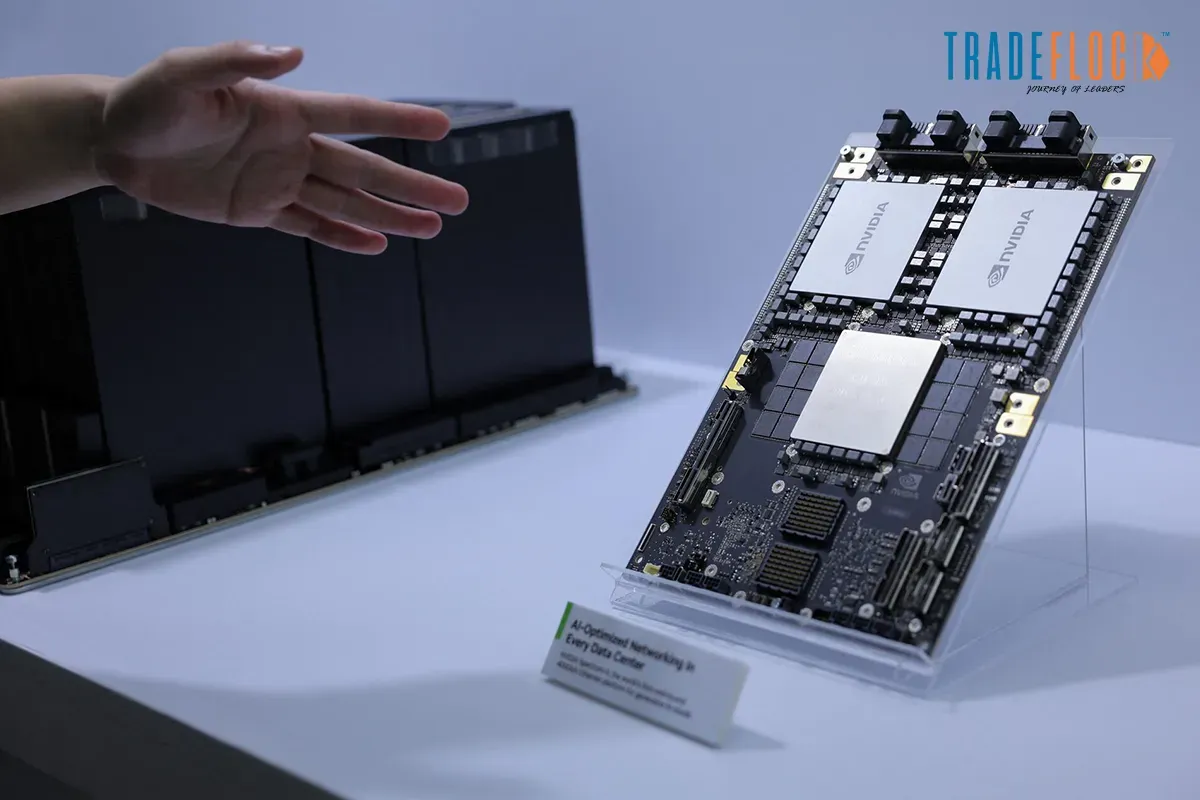
NVIDIA increased its anticipated revenue and plans to invest up to $80 billion in stock repurchases, reflecting ongoing international demand for Artificial Intelligence infrastructure. NVIDIA anticipates the second-quarter revenue of $91 billion, exceeding analysts’ expectations. Additionally, NVIDIA’s data centre segment continues to contribute significantly to NVIDIA’s revenue, incurring materially large expenditures during this timeframe. Companies, Cloud Providers, and enterprises continue to invest heavily in AI chip technologies as they build out their AI infrastructures and Large Language Models. The accelerating global adoption of AI, supported by these developments, enables NVIDIA to benefit from this opportunity.
The firm has further unveiled new AI-related products and technologies to stay ahead in the competitive semiconductor industry. It has been noted that NVIDIA’s high-performance processors play an important role in training and implementing generative AI systems. However, competition in the AI chip market is rising as firms such as AMD, Google, Amazon, and several Chinese firms have made significant investments in new AI chips and computing. Regardless, NVIDIAholds a dominating market share in the global AI hardware market. This is evident in the new stock buyback program, which ranks among the largest in the tech industry and reflects NVIDIA’s strong financial position.
Read More: China Announced Major Aircraft Purchase from Boeing
Nevertheless, investors continue to focus on sustainability issues related to AI investments. According to industry analysts, rising demand for electricity, manufacturing capabilities, and data centres may become significant limitations in the future. At the same time, NVIDIA is still experiencing difficulties with its business in China owing to US export restrictions on semiconductor technology. The firm has launched alternative products for specific foreign markets and aims to expand into other geographic regions, such as the Middle East. This reporting period clearly demonstrates NVIDIA’s role in the current global wave of developments in artificial intelligence.
Share this article Latest News Categories More News