NVIDIA to Ship H200 Chips to China After Trump Nod
The United States has decided to allow exports of Nvidia’s H200 AI chips to China, but with restrictions and a 25% export fee. The announcement was made by US President Donald Trump, who described the move as a “national-security conscious compromise” intended to preserve American leadership in AI technology while supp
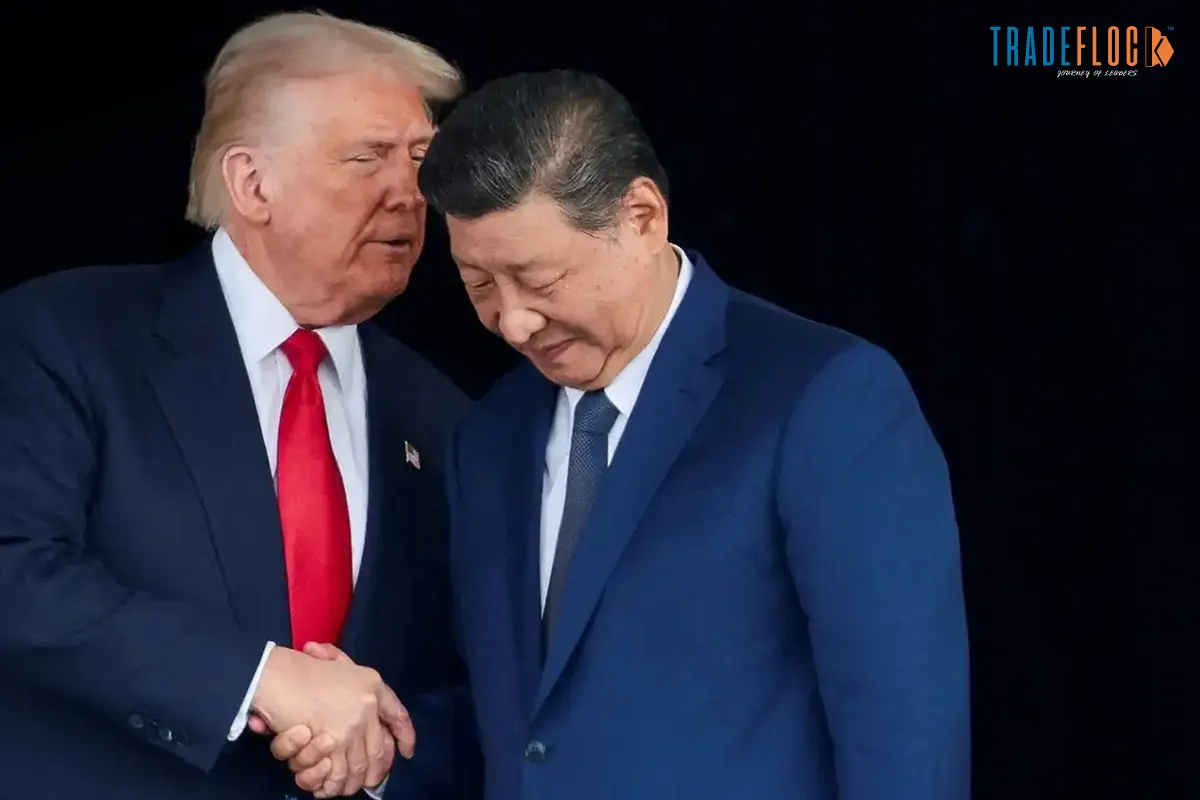
The United States has decided to allow exports of Nvidia’s H200 AI chips to China, but with restrictions and a 25% export fee. The announcement was made by US President Donald Trump, who described the move as a “national-security conscious compromise” intended to preserve American leadership in AI technology while supporting job growth in the US.
Under the policy, H200 chips, which are the second-most-advanced AI chips from Nvidia (after the Blackwell series), can be exported to China after undergoing security reviews by the US Commerce Department. The same policy framework would also apply to other major US chipmakers such as AMD and Intel. However, Nvidia’s top-tier Blackwell chips (and the upcoming “Rubin” chips) remain prohibited from export under this deal.
The market responded quickly: Nvidia’s stock rose about 2% after-hours trading following the announcement, after earlier gains triggered by a prior news report.
The decision is being viewed as a compromise between two conflicting ideas. On one hand, US policymakers want to prevent AI chips from enabling the Chinese military or surveillance applications. On the other hand, refusing to sell cutting-edge hardware to China will only end in China making the same capability domestically. This will pose a greater threat, as the tech will no longer be regulated, and China will be able to do as it pleases.
You Might Also Like: US Farmers to Get $12 Bn in Aid From Trump Administration
Notably, even as the US moves to permit the H200 exports, Chinese regulators have recently discouraged domestic firms from buying downgraded chips such as the H20 (previously cleared for China before the H200), citing security-backdoor fears, a claim Nvidia denies. That suggests actual demand in China is likely to be constrained by both regulatory and political considerations in Beijing. How this will play out is for nobody to say, just yet.
Share this article Latest News Categories More News