Raymond Laroche, A.A.E.-USA's Most Influential COOs 2026
In aviation, operational decisions are never abstract. Every choice carries consequences across safety, infrastructure, cost, and public trust, often in real time. It is within this pressure-filled environment that leadership is tested not by intent, but by execution.
In aviation, operational decisions are never abstract. Every choice carries consequences across safety, infrastructure, cost, and public trust, often in real time. It is within this pressure-filled environment that leadership is tested not by intent, but by execution.
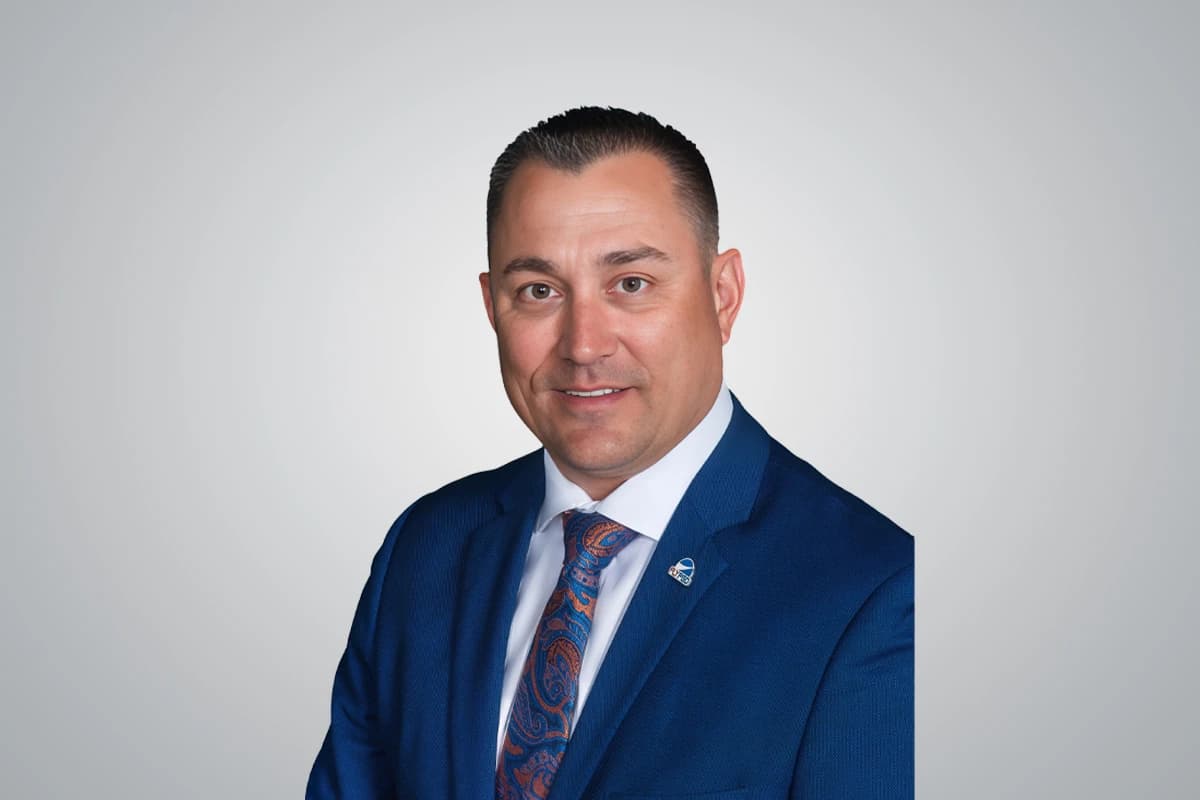
That reality has defined Raymond Laroche'scareer as Chief Operating Officer of Punta Gorda Airport. Joining the airport in 2013, when annual passenger traffic hovered around 330,000, Laroche’s responsibilities evolved alongside the airport's transformation into a fast-growing commercial hub serving more than 2.28 million passengers by 2025. His leadership has been central to scaling the ultra-low-cost model, strengthening industry partnerships, expanding terminal capacity, and embedding a safety-first operating culture. Grounded in earlier experience with the U.S. Department of Homeland Security and the 82nd Airborne Division, and shaped by active industry engagement, Laroche brings a mentorship-driven approach to managing complexity. During an exclusive conversation with TradeFlock, he reflects on scale, responsibility, and the evolving demands of modern airport operations.
How did earning the A.A.E. shape your leadership and decision-making?
Earning the Accredited Airport Executive (A.A.E.) designation from the American Association of Airport Executives was a major professional milestone and a leading recognition in airport management. The process is demanding, not only in terms of technical knowledge, but also in the way it tests analytical thinking, communication, and strategic judgment, all of which are essential in complex airport environments.
What shaped me most, however, was the emphasis on mentorship. While preparing for the final interview, I was paired with an experienced airport director, Bill Hopper, who demonstrated the real value of mentorship in the airport profession and beyond. That experience reinforced the critical role of guidance, perspective, and shared learning in high-stakes operational settings.
Since earning the A.A.E., I’ve carried that lesson forward by making mentorship a cornerstone of my leadership approach. I focus on structured development, sharing knowledge from the accreditation body of knowledge, encouraging professional growth, and creating space for team members to learn from challenges rather than simply follow directives. In the face of operational disruptions, emergency responses, regulatory shifts, or major construction projects, this approach strengthens decision-making by drawing on diverse perspectives, reducing blind spots, and building collective ownership of solutions. Ultimately, the A.A.E. The process didn’t just validate my expertise; it deepened my commitment to continuous learning and investing in people.
What mindset is needed to handle disruption while maintaining safety and service?
The aviation environment today demands a mindset grounded in rapid decision-making, proactive adaptability, disciplined innovation, and an unwavering commitment to safety and security. Disruption is no longer an exception; it is constant, driven by digital transformation, regulatory change, cybersecurity threats, supply chain challenges, and extreme weather.
This mindset anticipates disruption through data-driven foresight and industry engagement, while balancing emerging technologies such as biometrics and AI with strong safety protocols and genuine passenger care. Understanding passenger expectations is critical. While frequent travellers increasingly expect frictionless, digital experiences, leisure travellers also value empathy, human connection, and community impact, especially in low-cost airport environments.
I built this mindset by staying actively engaged with industry groups such as AAAE, ACI–North America, and the Florida Airports Council, and by translating ecosystem-level insight into practical decision-making within the team. That engagement enables informed, rapid decisions that support growth without compromising safety or service.
What trend will define airport leadership in the next decade, and how should young professionals prepare?
Workforce development, particularly succession planning, will define airport leadership over the next decade. As experienced professionals retire and technology accelerates, airports face the dual challenge of potential knowledge loss and the need for new skills in digital operations, cybersecurity, data analytics, and customer experience.
Without proactive succession planning, airports risk operational disruption and reduced adaptability. Future-ready leaders will focus on lifelong learning, structured mentorship, and cross-generational knowledge transfer to build resilient talent pipelines. For young professionals, preparation means deep industry engagement, continuous upskilling, seeking mentors early, and gaining diverse operational experience.
Those who invest in learning, adaptability, and people development will be best positioned to lead airports that are innovative, secure, and resilient in the decade ahead.
What lessons from the U.S. Army and TSA still shape how you lead today?
My leadership foundation was built during my service in the U.S. Army and strengthened through a decade with the Transportation Security Administration. In the Army, serving with the 3/505 Parachute Infantry Regiment of the 82nd Airborne Division left no room for error, and that environment instilled discipline, accountability, and mission clarity under pressure.
I was fortunate to serve under exceptional leaders, including General Xavier Brunson, whose approach to strategic readiness, alliance-building, and maintaining a positive mindset in dynamic threat environments taught me that true readiness is cultural as much as operational. It reinforced the importance of constant vigilance, clear communication across levels, and ensuring every team member understands their role in the larger mission.
Another lasting influence was CSM Charles V. Sasser (ret.), whose focus on soldier welfare, standards enforcement, and servant leadership showed me how resilient teams are built through genuine care for people while holding them to high expectations. Later, during my tenure at TSA under Federal Security Director Robert Cohen, I learned to balance stringent security requirements with operational efficiency and stakeholder coordination. His calm, methodical approach during incidents and regulatory change continues to inform how I manage risk, uncertainty, and resilience in airport operations today.
How do you promote alignment across government, industry, and communities?
Promoting alignment among government agencies, industry partners, and local communities is essential in airport management, particularly in a rapidly growing environment. In my experience, effective alignment rests on three interconnected elements: genuine engagement, open communication, and credibility.
Genuine engagement means involving stakeholders early and consistently through forums, working groups, and inclusive planning, rather than reacting after decisions are made. Open, direct communication builds trust by sharing data, challenges, and rationales transparently, especially during disruptions or regulatory change. Credibility is earned through follow-through, accountability, and a willingness to acknowledge setbacks.
When these elements reinforce one another, resistance decreases, collaboration improves, and stakeholders develop shared ownership of outcomes. This approach has been critical in navigating growth while maintaining strong relationships across government, industry, and the broader airport community.
Featured Magazine -
