OpenAI’s CEO Sam Altman Downplays Fears of AI Job Crisis
The rapid expansion of AI is unlikely to lead to an impending global job apocalypse because AI is replacing fewer white-collar positions than we originally anticipated, according to Sam Altman, the Chief Executive Officer of OpenAI. During a virtual conference hosted by the Commonwealth Bank of Australia in Sydney, Alt
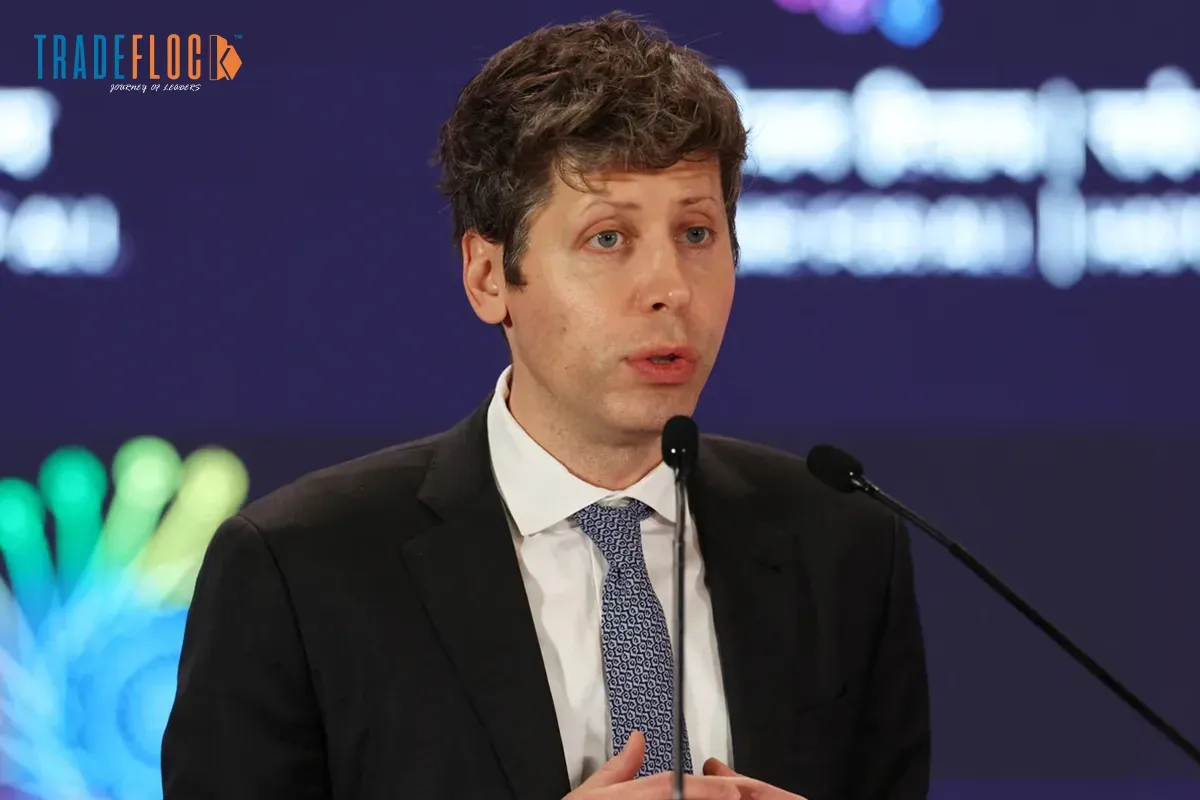
The rapid expansion of AI is unlikely to lead to an impending global job apocalypse because AI is replacing fewer white-collar positions than we originally anticipated, according to Sam Altman, the Chief Executive Officer of OpenAI. During a virtual conference hosted by the Commonwealth Bank of Australia in Sydney, Altman said the impact of AI on employment has been much less disruptive than many people expected. Altman indicated that tech industry leaders, including himself, were initially concerned that large numbers of office-based or entry-level jobs would be replaced because of the rapid development of both computer-based and artificial intelligence systems.
However, he has noted that human skills and characteristics such as communication, judgment, and human-to-human interaction will continue to play a critical role in many jobs for a significant time into the future. According to him, tasks that involve personal engagement, collaboration, and relationship- building decisions are still too difficult to automate fully. OpenAI’sCEO, Sam Altman, forecasts that AI will reform employment and workflows across industries rather than replace human workers. Currently, organizations are expanding their investments in generative AI tools used in customer service, coding, research, and automation. Many other big companies, including banks and tech firms, have already begun using AI to eliminate certain workers from operational roles.
Read More: SpaceX’s IPO Amidst to Build on AI and Explore Mars
Despite all of this progress towards a better future, concerns continue to grow about the possibility of 5 to 10 years from now and its potential effect on lower-end jobs or repetitive tasks of white-collar work. The discussion between scholars and industry figures alike on the pace at which AI may disrupt the workforce around the globe persists. In a later statement, Altman mentions societal problems surrounding AI safety, regulation, and transition due to further advancements in AI technology and intelligence. The latest comments from Altman or OpenAI suggest a balanced approach to the impact of AI technology on the workforce. It suggests that the implementation of AI in society would lead to gradual change rather than mass job displacement.
Share this article Latest News Categories More News