Tesla Q1 Deliveries Expected to be Lower Amid Weaker Electric Vehicle Demand
Later this week, Tesla will share its latest delivery figures ahead of Wall Street trading. A drop in vehicle shipments for early 2026 appears likely when compared with last quarter’s results. Slower appetite for EVs plays a role, and so does sharper rivalry in key regions around the world.
Manya KhuranaStaff Writer
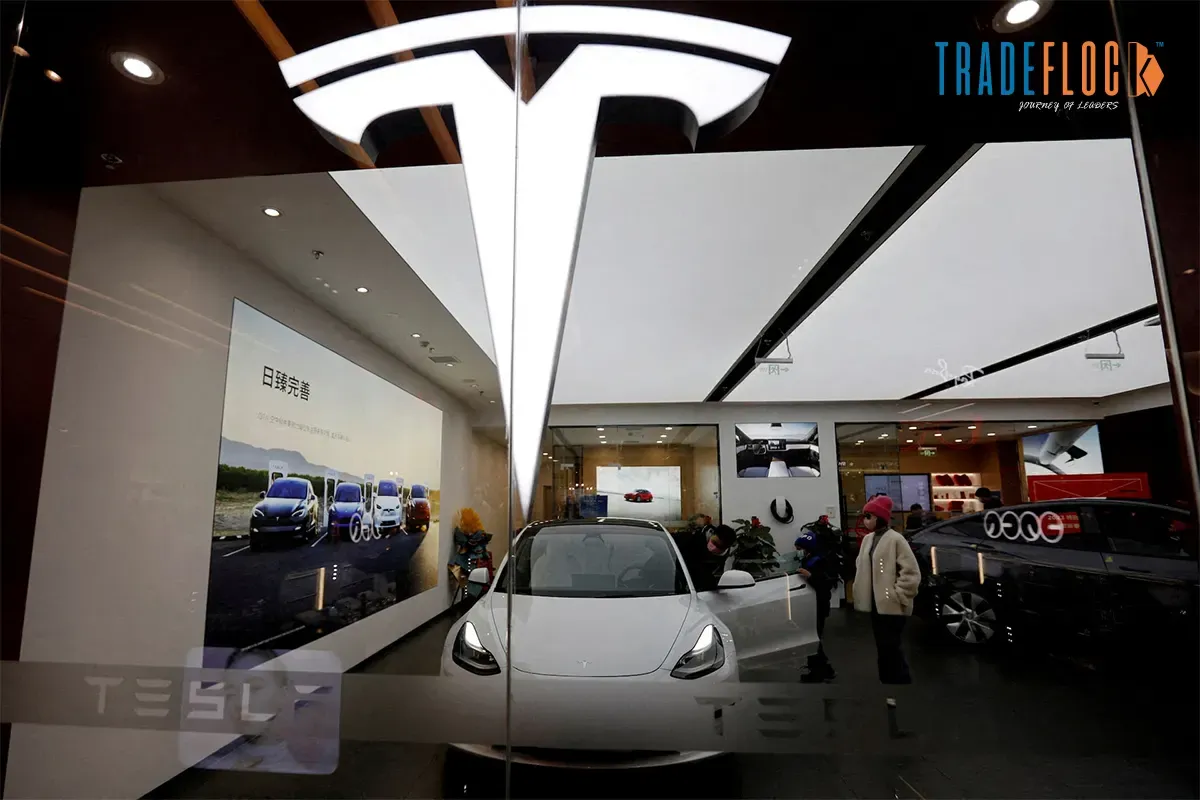
Later this week, Tesla will share its latest delivery figures ahead of Wall Street trading. A drop in vehicle shipments for early 2026 appears likely when compared with last quarter’s results. Slower appetite for EVs plays a role, and so does sharper rivalry in key regions around the world. One early prediction puts Tesla's handling at over roughly 368,900 cars from January through March, which would mark a dip of about 11 to 12% versus the previous three months. Even so, the figure climbs slightly when measured against last year’s start. Not slowing down easily, Tesla runs into walls as rivals crank up hearts across China and Europe, and cheaper electric cars pop up fast.
While that plays out, shoppers in key spots just aren’t reaching for their wallets as they did before. Growth stumbles when orders don’t align with factory output. When the $7,500 U.S. federal tax break for electric cars is out, it takes away a big reason people used to buy them. Because that support vanished, certain shoppers held back, and buying trends across North America followed. That shift didn’t happen overnight; it grew steadily over time. Out on the edge, Tesla faces a patchwork of results worldwide. Even though output from Shanghai holds steady, buying patterns wobble in Europe and in chunks of the U.S. Now, here’s something Xpacet points to: rhythms like China’s Lunar New Year slowing deliveries each quarter. Things just don’t move at one speed everywhere.
Read More: Iran War Raises Global Energy Supply Risks
Even with current challenges, attention stays fixed on Tesla’s big-picture plans. Moving past cars alone, the firm pours resources into self-driving systems, driverless ride fleets, and machines built like people, areas Elon Musk calls key to what comes next. Even so, most of Tesla’s income comes from selling electric cars, so how many they deliver shapes their financial future. What happens next depends on whether the company can hold its ground as buyers slow down and more rivals enter the field. This quarter’s numbers might show if Tesla is losing speed or adapting well.
Share this article
Latest News
Categories
More News