Trump Expands Tariffs on Steel and Aluminum
The Trump administration has significantly expanded its steel and aluminum tariffs beyond the initial 50% tariffs, now including over 400 additional product categories. These new tariffs, which took effect on Monday, broaden the scope from original commodities to a wide array of products such as fire extinguishers, mac
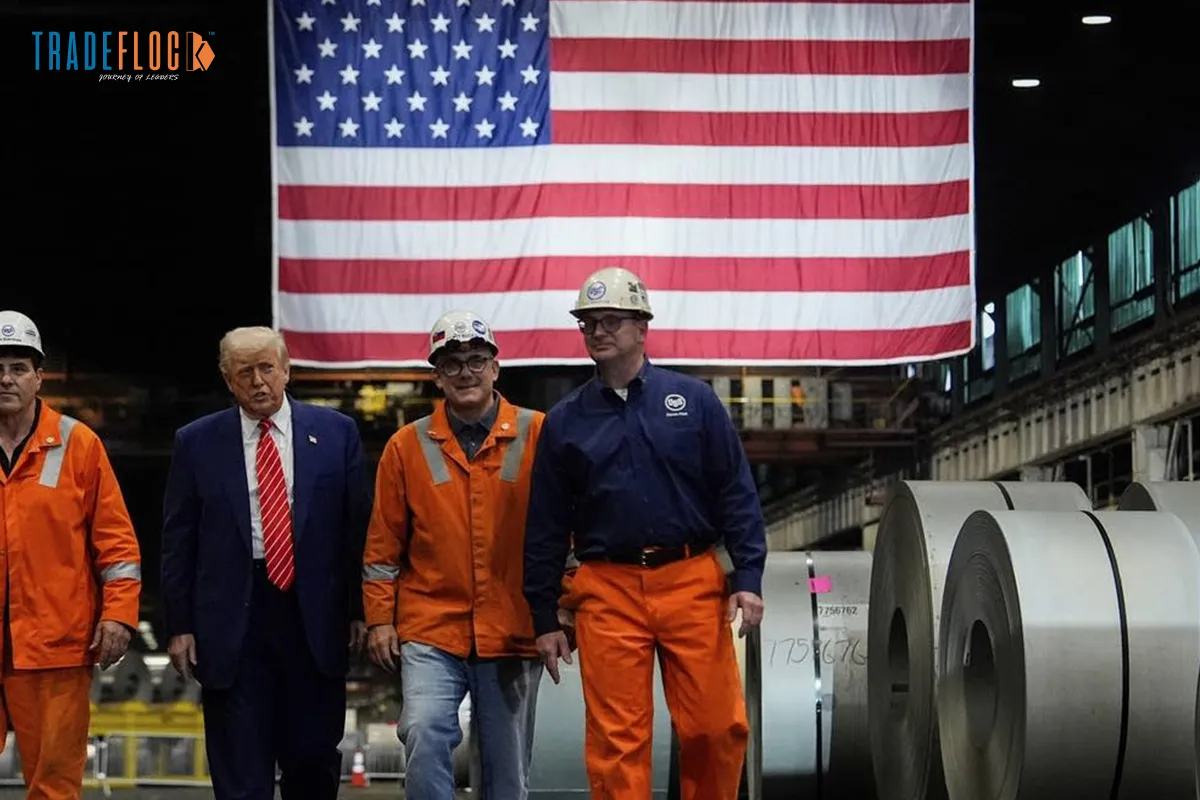
The Trump administration has significantly expanded its steel and aluminum tariffs beyond the initial 50% tariffs, now including over 400 additional product categories. These new tariffs, which took effect on Monday, broaden the scope from original commodities to a wide array of products such as fire extinguishers, machinery, construction materials, and specialty chemicals that contain or relate to aluminum or steel.
This move represents a strategic shift in trade policy, aiming to bolster the American steel and aluminum industries while closing loopholes that allowed circumvention of previous tariffs.
Also Read: MSNBC Rebrands as MS NOW, Drops the NBC
The expanded list encompasses products like auto parts, plastics, furniture components, and anything perceived as shiny or metallic, indicating a substantial reach across various manufacturing sectors. The Department of Commerce issued a statement confirming the inclusion of 407 new categories, but the listing is provided through complex customs codes rather than clear product descriptions. For example, fire extinguishers are listed simply as “8424.10.0000,” making it challenging for the public and businesses to identify affected products.
Industry experts estimate the impact to be enormous, affecting at least $320 billion worth of imports based on 2024 import values, an increase from prior estimates of approximately $190 billion. This escalation is expected to contribute to inflationary pressures, as domestic prices continue to rise, partly evidenced by recent Producer Price Index data.
President Trump has relied heavily on sector-specific tariffs to advance his trade agenda. In June, he doubled tariffs on steel and aluminum imports to 50% for most countries, creating economic uncertainty for trading partners. The White House emphasized that the inclusion of new products was planned, citing the new product inclusion process established earlier this year, which allowed companies to request specific product exclusions.
Overall, this expansion signifies a more aggressive and comprehensive approach to trade regulation, with broad implications for global supply chains and domestic manufacturing industries.
Share this article Latest News Categories More News