Donald Trump Sends Trade Warning to BRICS Countries in Response to US Trade Threat
US President Donald Trump warned China, India, and other BRICS nations of a 10% import tariff on countries supporting the bloc’s anti-American policies. This followed a summit in Brazil where BRICS leaders criticized Trump’s trade policies as “indiscriminate,” “damaging,” and “illegal.” The tensions highlight a growing
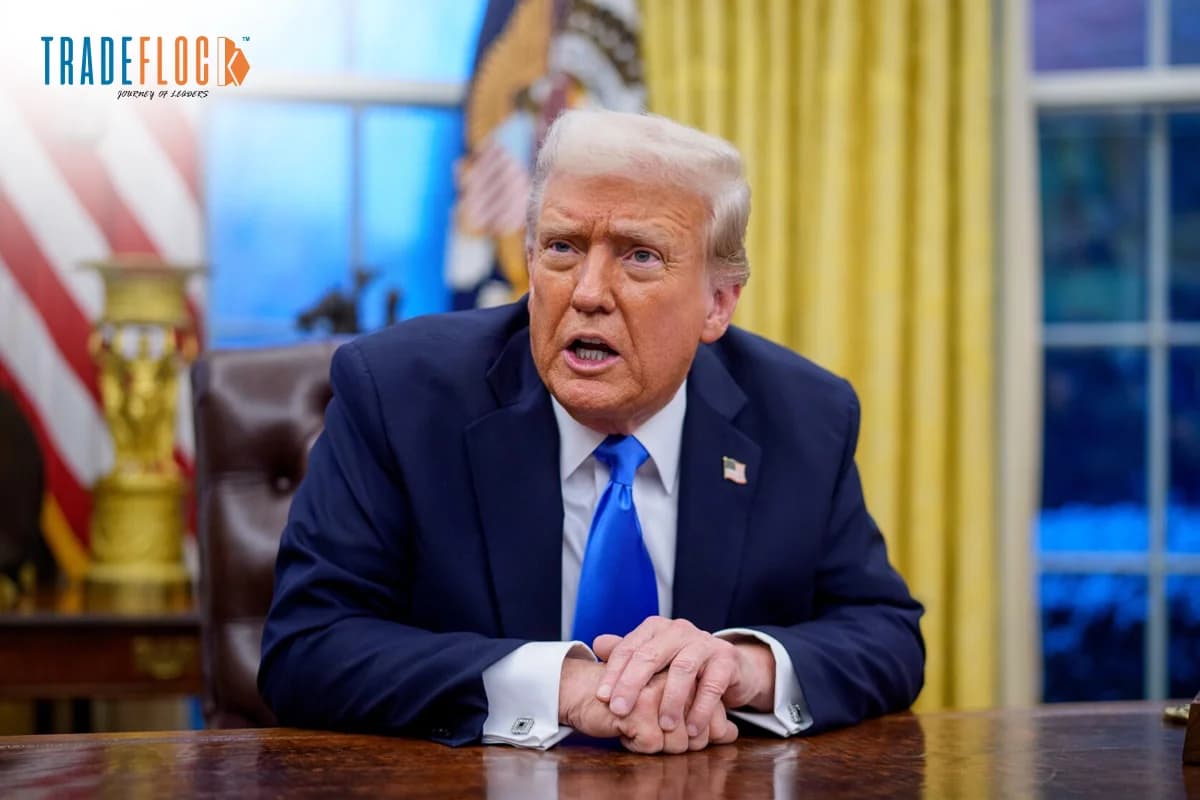
US President Donald Trump warned China, India, and other BRICS nations of a 10% import tariff on countries supporting the bloc’s anti-American policies. This followed a summit in Brazil where BRICS leaders criticized Trump’s trade policies as “indiscriminate,” “damaging,” and “illegal.” The tensions highlight a growing rift between the US and emerging economies, representing a large share of the global population and economy.
Trump stated on social media that any country supporting BRICS would face the new tariff, with no exceptions. The BRICS nations, including China, India, Brazil, and others, represent nearly half the world’s population and 40% of global output, making their stance significant. Their joint summit condemnation of US tariffs signals increasing discontent, though some members avoided direct criticism of Trump. Notably, Saudi Arabia’s foreign minister withdrew from the summit, hinting at potential fractures within the group.
Also Read: Microsoft Withdraws from Pakistan After 25 Years
Trump’s tariff threat coincides with an August 1 deadline for new trade deals. Failure could lead to unilateral duties, heavily impacting BRICSnations. The timing follows a BRICS statement condemning US and Israeli airstrikes on Iran, indicating solidarity with Iran and adding geopolitical tension.
China defended BRICS, with spokesperson Mao Ning emphasizing that trade wars harm all and protectionism isn’t a solution. Despite the absence of key leaders like Xi Jinping and Putin participating via video, BRICS remains a significant force, with Putin calling it crucial in global governance.
The ongoing US-BRICS tensions could reshape global trade, as countries balance relations with both sides. The August 1 deadline will be critical, with potential long-term effects on global stability and trade dynamics.
Share this article Latest News Categories More News