U.S. Airlines Hit Turbulence as FAA Faces Staff Shortage
Due to the ongoing US federal government shutdown, airline disruptions increased on Sunday, with flight cancellations exceeding 2,100, the highest since the shutdown started. This has led to widespread delays and operational challenges across the country's aviation sector.
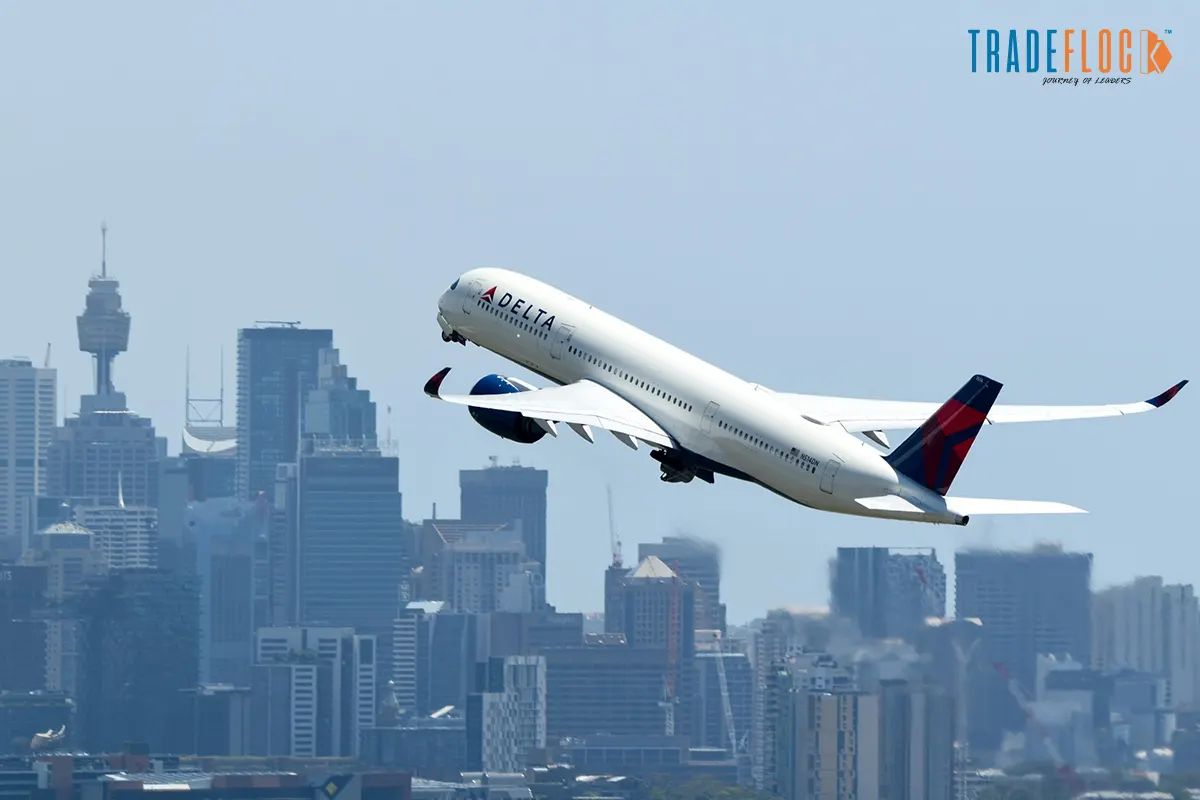
Due to the ongoing US federal government shutdown, airline disruptions increased on Sunday, with flight cancellations exceeding 2,100, the highest since the shutdown started. This has led to widespread delays and operational challenges across the country's aviation sector. Transportation Secretary Sean Duffy cautioned that if the shutdown persists into the Thanksgiving travel period, air traffic could "slow to a trickle," given the current staff shortages among air traffic controllers who have gone unpaid for nearly a month.
The FAAresponded by ordering flight cuts at 40 major airports, initially affecting about 4% of flights, with plans to increase this to 10% by mid-November. These restrictions, in effect from early morning to evening, are impacting all commercial airline operations.
Major airports, such as Atlanta's Hartsfield-Jackson and Newark Liberty, experienced over 570 and at least 265 cancellations on Sunday, partly due to the freezing weather in Georgia. Many travellers experienced significant delays, such as Kyra March from Tampa, who endured multiple delays and overnight stays.
Staff shortages at airports like Newark and LaGuardia caused delays averaging 75 minutes. Duffy warned that if the shutdown persists, cancellations could reach 20%, and air traffic may slow as controllers go unpaid and retire early. A proposed solution involves military air traffic controllers, although uncertified personnel may also be involved.
Also Read: Musk’s $878B Tesla Pay Deal Depends on Shareholders’ Vote
The shutdown has intensified longstanding staffing issues among air traffic controllers. Many controllers are taking second jobs due to unpaid salaries, and the crisis has disrupted travel for over 4 million passengers since October. Unless resolved, the situation threatens to worsen as more controllers retire and operational capacity diminishes amid the holiday season.
Share this article Latest News Categories More News