US Refuses to Extend Trade Pact With Mexico and Canada
The United States government is planning to invest $250 million in the I-Pulse Inc. startup to develop semiconductor chips and special electricity technology. I-Pulse Inc. was co-founded by Robert Friedland, a billionaire well-known in the mining (metal extraction) business, and the company has laboratories in New Me
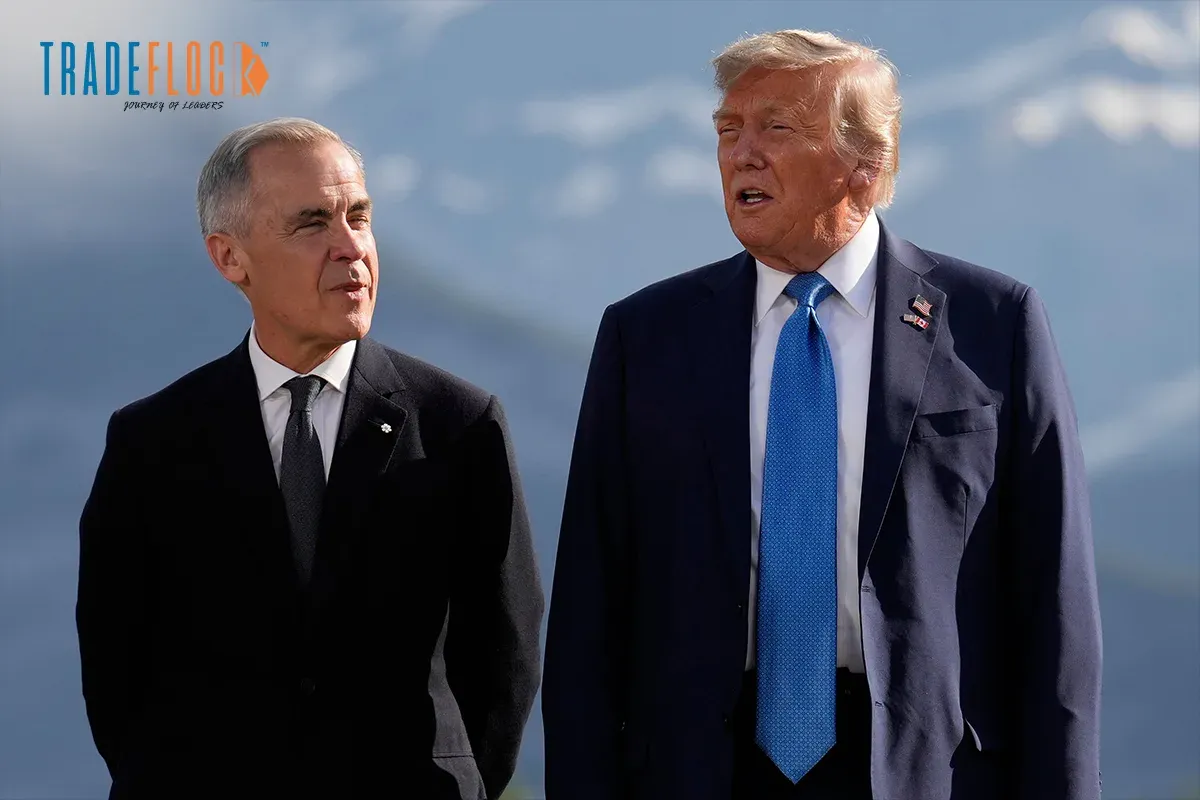
The United States has decided not to renew the current version of the US-Mexico-Canada Agreement (USMCA). But it does not mean that the trade deal ends immediately.
Instead, the deal will continue for the next 10 years. Over the next 10 years, the three countries can negotiate changes, or if they cannot agree on a new version of the agreement, it will eventually expire.
The current version has been declined as the Trump administration believes that the agreement has problems. The US wants certain changes in the agreement to bring more manufacturing jobs back to America.
Additionally, the US aims to reduce tariffs with Mexico and Canada and to have more products manufactured in North America rather than using parts from countries like China.
The biggest issue is cars, because they can only qualify for USMCA benefits if a large percentage of their imported parts come from North America. The US wants to be self-sufficient by creating more American manufacturing jobs.
Mexico agrees that discussions should continue. However, they do not agree with the new rules, as they could disrupt their automobile industry, since many cars for the US market are manufactured there. Moreover, Canada wants to continue the discussion and is also trying to resolve US tariffs on products such as steel, aluminium, cars and wood.
The US-Mexico-Canada Agreement is important because it supports $1.6 trillion in trade among these countries every year. Many industries depend on it for various products, including car manufacturing, farming, agriculture, and manufacturing supply chains. If the rules become much stricter, then the companies may have to change where they make products.
Car companies are worried as it is not possible to make every car part in the U.S and moving factories and suppliers takes many years to settle. If the rules get stricter, they could increase car manufacturing costs, which could lead to more expensive cars for consumers.
Farmers want the agreement to continue because it helps them export their products with fewer trade barriers, since the U.S. sells a lot of food and agricultural products to Mexico and Canada.
Earlier, the U.S. also threatened to impose an additional 5% tariff on Mexico if it did not immediately provide more water to aid U.S. farmers, accusing Mexico of violating a treaty governing water sharing between the two countries.
Share this article Latest News Categories More News