U.S. closes investigation into Tesla Autopilot system
Now behind us, the U.S. auto safety review of Tesla’s remote-driving function, called Actually Smart Summon. Since early reports came in, officials from the National Highway Traffic Safety Administration have been watching how cars move on their own.
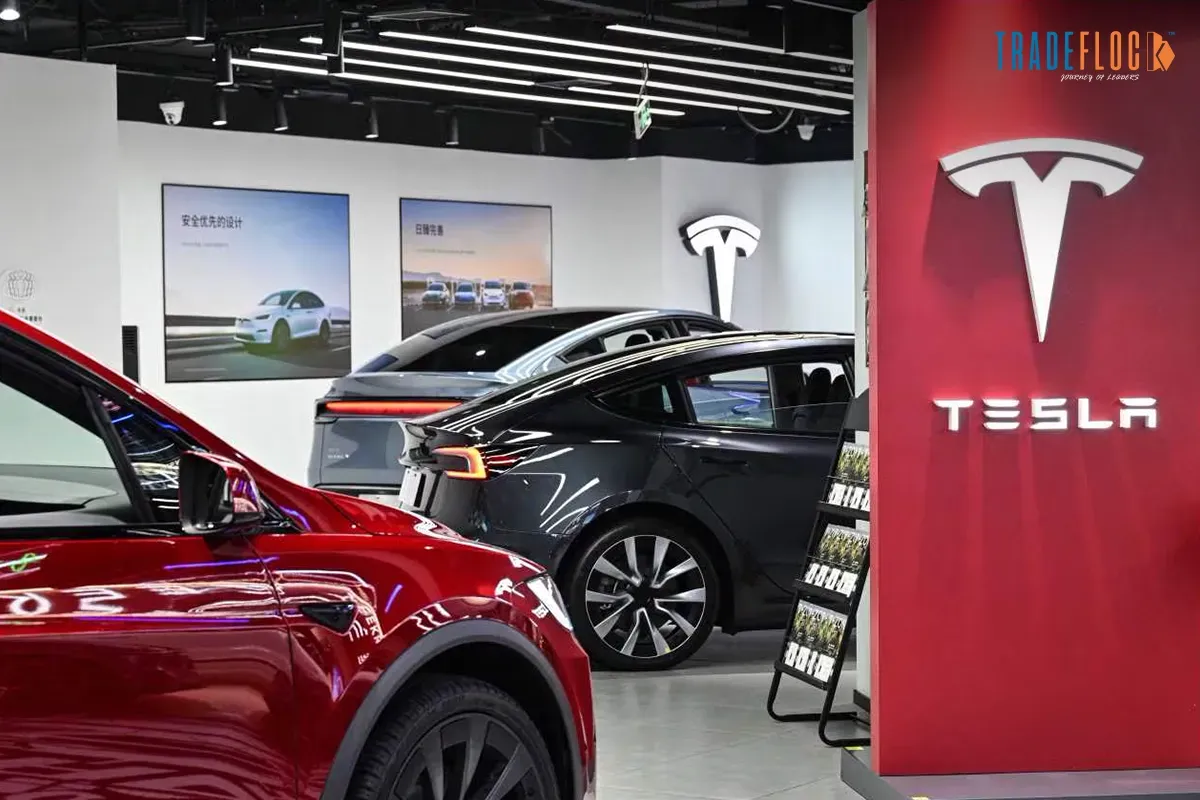
Now behind us, the U.S. auto safety review of Tesla’s remote-driving function, called Actually Smart Summon. Since early reports came in, officials from the National Highway Traffic Safety Administration have been watching how cars move on their own. Not found needing any changes, this tool lets drivers step out while the vehicle briefly rolls to meet them. Ended quietly, the process leaves the tech as it stands today. To start, around 2.59 million Teslas across the U.S. were under security. Crashes noted during the examination usually involved small impacts with stationary objects, such as parked vehicles, barriers, or entry pilots.
These events tended to occur just as drivers activated the summon feature. For the most part, nobody got hurt, officials confirmed. Remote software fixes helped Tesla meet regulatory demands, sharpening obstacle recognition while reducing weather-related camera issues such as bright light or snow buildup. After seeing the changes work, officials chose to wrap up their investigation. Still, the NHTSAmade clear that closing the probe doesn't mean vehicles are defect-free. Should fresh data become available, officials can restart reviews at any time.
Read More: SpaceX moves closer to historic IPO filing
Still watching closely, U.S. regulators keep examining Tesla’s Autopilot and Full Self-Driving tools. Questions linger about how well they handle tough road situations and whether alerts to drivers are clear enough. Now that the investigation is over, Tesla faces fewer legal barriers. Yet questions linger about how closely systems meant to aid drivers should be watched. Safety remains a central concern for carmakers pushing new tech.
Share this article Latest News Categories More News