US Lawmakers Act to Restrict China’s AI Chip Access
A bipartisan group of U.S. senators, including Republican China hawk Tom Cotton, introduced a bill on Thursday to prevent the Trump administration from easing restrictions on China's access to advanced AI chips from Nvidia and AMD for the next 2.5 years. Named the SAFE CHIPS Act, sponsored by Republican Senator Pete Ri
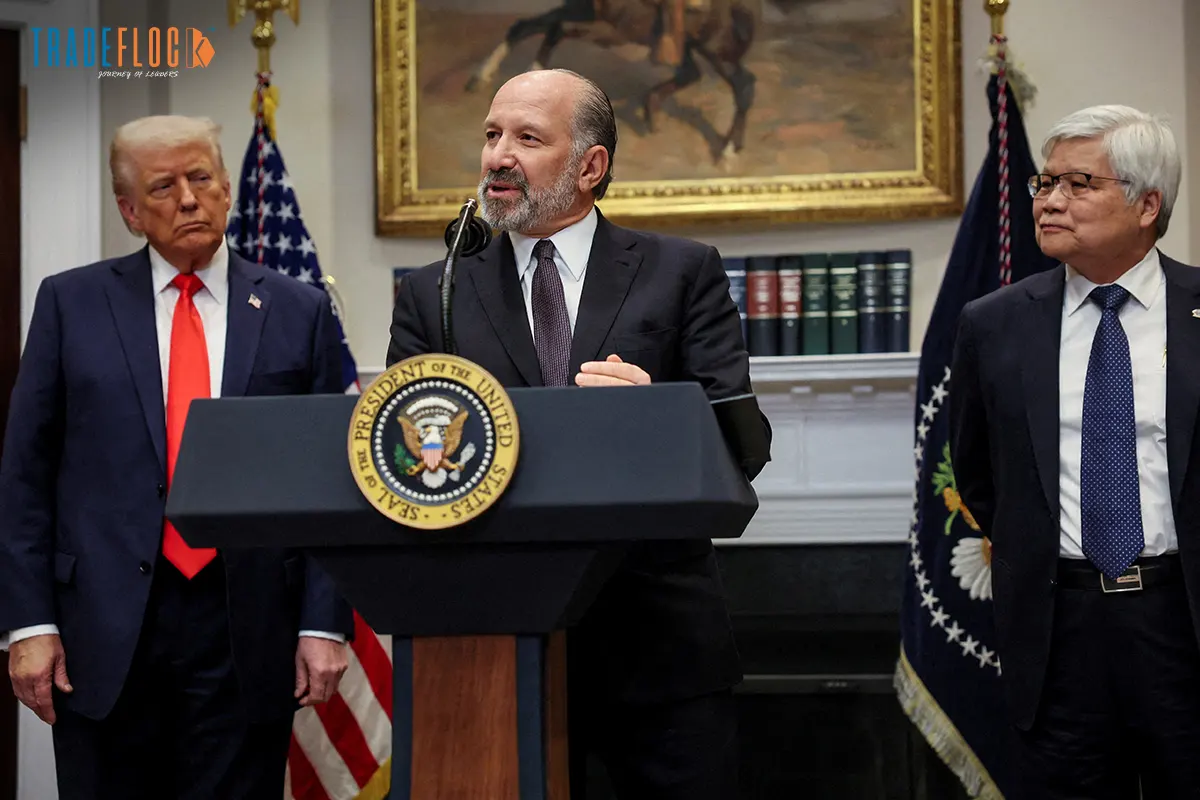
A bipartisan group of U.S. senators, including Republican China hawk Tom Cotton, introduced a bill on Thursday to prevent the Trump administration from easing restrictions on China's access to advanced AI chips from Nvidia and AMD for the next 2.5 years. Named the SAFE CHIPS Act, sponsored by Republican Senator Pete Ricketts and Democrat Chris Coons, it requires the Commerce Department to deny license requests from China, Russia, Iran, or North Korea for AI chips more advanced than current ones for 30 months. The department must also brief Congress a month before any rule changes. Co-sponsored by Republicans Dave McCormick and Democrats Jeanne Shaheen and Andy Kim, the bill is a rare effort within Trump's party to limit U.S. tech export relaxations to China.
Ricketts emphasised that restricting Beijing's access to top-tier American AI chips is vital for national security. The bill emerges amid discussions of the Trump administration potentially approving Nvidia's H200 AI chips sale to China. Washington’s China hawks fear Beijing could leverage such chips to enhance its military, develop AI-powered weapons, and bolster surveillance and intelligence operations.
Previously, the Trump administration imposed and later rolled back restrictions on Nvidia's H20 chips due to concerns about China-related exports, prompting criticism from Republican Representative John Moolenaar. Meanwhile, competitor AMD is eager to sell chips to China. In a broader context, Trump delayed a rule banning tech exports to Chinese entities as part of negotiations over rare earth metals and has opposed Biden-era restrictions on AI chip exports, citing concerns over chip smuggling.
Also Read: ADP Data Shows U.S. Job Losses as Small Businesses Struggle
Greg Allen of the Centre for Strategic and International Studies described the bill as a sensible measure that should be enacted swiftly. He warned that the U.S. cannot prevent China from seeking alternatives to U.S. technology but can control the pace at which China acquires American AI chips, thereby influencing its decoupling strategy.
Share this article Latest News Categories More News