Xinhua Silk Road reports young Chinese consumers reinterpret Mazu culture through modern retail
Young Chinese consumers are adopting traditional Mazu culture through modern retail formats like collectible blind boxes, per Xinhua Silk Road.
Wall Street Correspondent
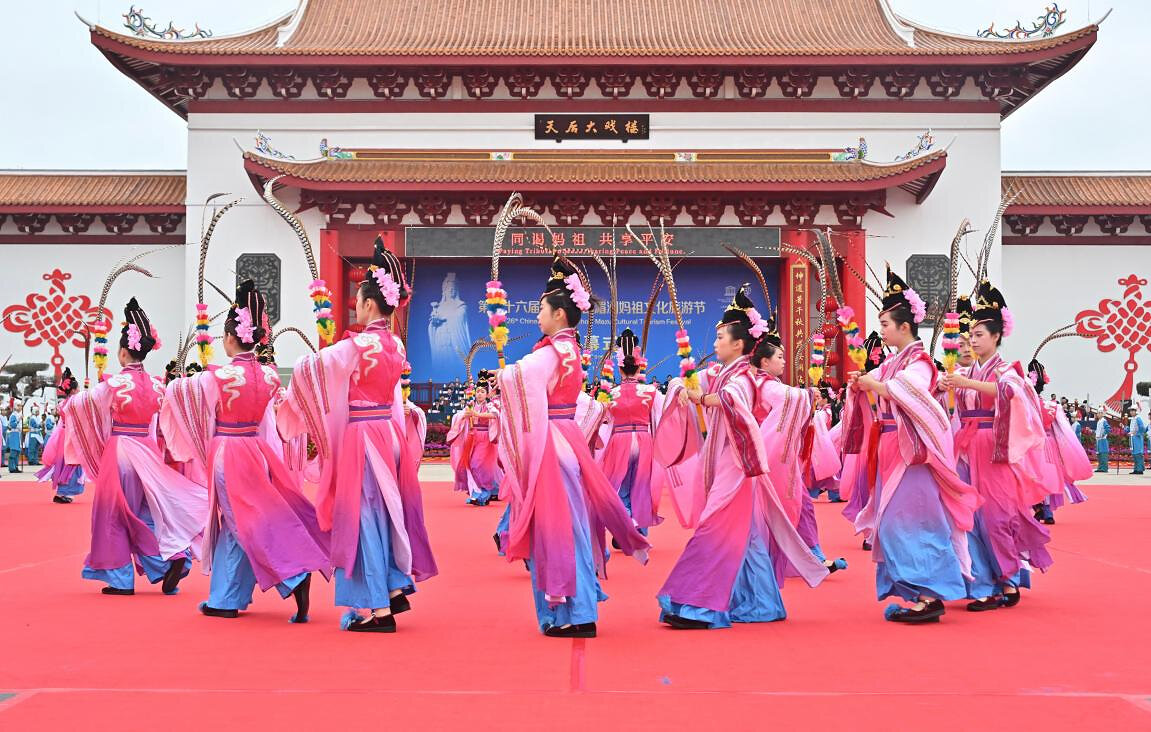
PEKING — September 29, 2026 — Traditional Chinese cultural heritage is seeing a commercial reinterpretation driven by young domestic consumers, according to a report published by Xinhua Silk Road on Sept. 29, 2026. The shift centers on the Mazu culture, which younger demographics are adopting through contemporary retail formats such as collectible blind boxes featuring Mazu motifs both domestically and internationally.
Strategic Context
The integration of historical figures into modern retail merchandise reflects an ongoing shift in consumer preferences among younger Chinese demographics. By reformatting traditional iconography into collectible, trend-driven goods, creators and brands are finding new pathways to engage audiences with heritage intellectual property.
The use of blind boxes—sealed retail packaging where the specific figure remains unknown until opened—brings a gamified retail mechanic to traditional cultural assets. This distribution method allows heritage motifs to intersect with contemporary lifestyle and collectible trends.
Forward Outlook
Operators tracking consumer goods and cultural sectors will monitor whether these localized heritage-IP adaptations can maintain consumer engagement beyond initial novelty cycles. As distribution expands into international markets, observers are watching how traditional cultural elements perform within global retail channels.
Source: PR Newswire, Xinhua Silk Road: Chinesische Jugendliche entdecken die Mazu-Kultur auf trendige Weise.
Sophia Brennan
Wall Street Correspondent
Covers IPOs, buybacks, and the capital-markets calendar out of New York.