Social Security 2027 COLA Estimate: 3.5%, Below Inflation
The New York Fed reported Oct. 7 that Americans expect 3.9% inflation next year, above the roughly 3.5% raise forecasters see. The official figure and a new payroll tax cap are due Oct. 14.
Senior Markets Correspondent
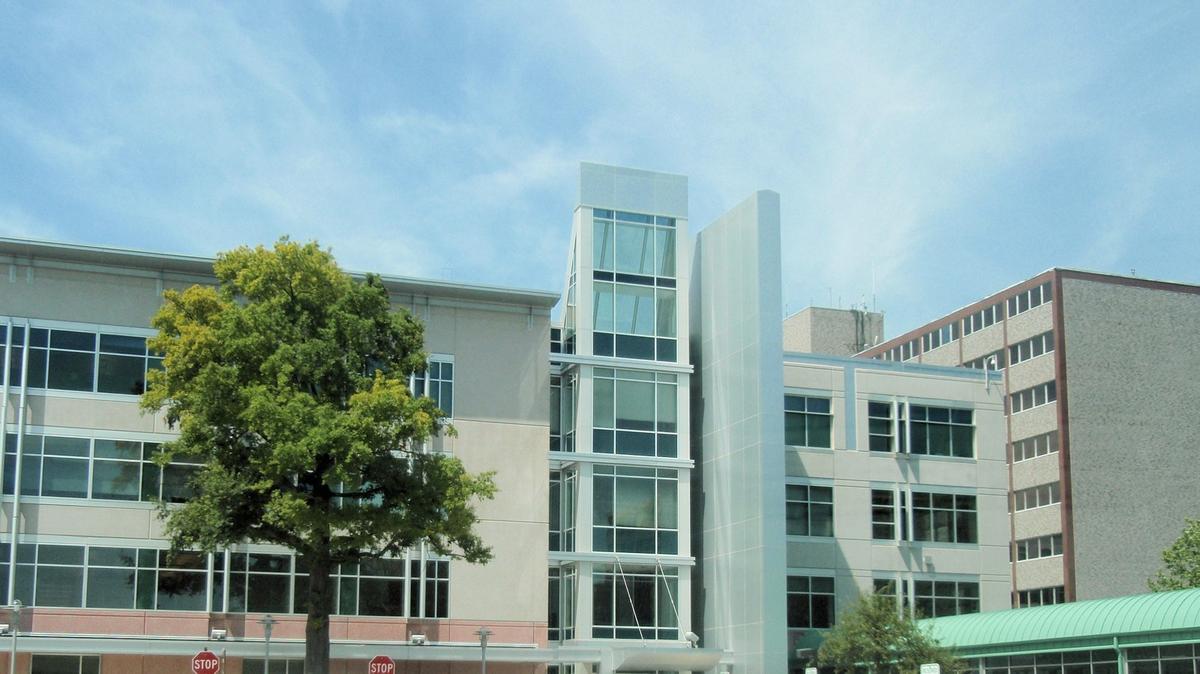
Glass and concrete buildings on the Social Security Administration headquarters campus under a blue sky. Photo: Coolcaesar via Wikimedia Commons, CC BY-SA 3.0 (cropped)
Americans expect prices to rise faster over the next year than Social Security's 2027 raise is likely to pay. The Federal Reserve Bank of New York's Survey of Consumer Expectations, released Wednesday, Oct. 7, put median one-year-ahead inflation expectations at 3.9%, the highest since May 2023, with expected increases of 5.5% for food, 6.8% for rent and 9.2% for medical care. Forecasters and a TradeFlock estimate put the cost-of-living adjustment near 3.5%. Even that smaller raise would pay out roughly $13 billion a year more than the program's trustees assumed in June.
The official figure is due next week. The BLS release calendar lists the September Consumer Price Index for 8:30 a.m. Eastern on Wednesday, Oct. 14. The Social Security Administration then announces the adjustment, along with the 2027 cap on wages subject to the payroll tax.
Food, Rent and Medical Expectations Outrun a 3.5% Raise
The formula looks backward; household budgets look forward. The adjustment measures prices from mid-2025 to mid-2026. The New York Fed survey, fielded Sept. 1 through Sept. 30, asks what people expect over the coming year. Besides food, rent and medical care, respondents put expected gas price increases at 4.8%. Each category runs above 3.5%, and the medical care figure is more than two and a half times it.
The Fed itself flagged the pressure. Minutes of the Sept. 15 and 16 policy meeting, published Wednesday at 2 p.m. Eastern, say several officials noted that low- and moderate-income households faced strains, "with higher energy prices weighing disproportionately on their real disposable income." Most participants judged that another rate increase would likely be appropriate by year end, after the quarter-point hike TradeFlock covered when the Fed raised rates for the first time since 2023.
In dollars, the average retired worker received $2,087.52 in August, according to the Social Security Administration's monthly statistical snapshot. A 3.5% raise would add about $73 a month. This year's 2.8% adjustment added about $56, the agency said in its Oct. 24, 2025 announcement. Workers are not keeping pace either: TradeFlock reported this week that service prices hit a four-year high while paychecks lagged.
About $13 Billion a Year Above the Trustees' Path
The program budgeted for less. The 2026 Trustees Report, released June 9, assumed a 2.7% adjustment for benefits payable in January 2027, a figure the agency's COLA estimates page still lists. Social Security paid $138.8 billion in benefits to 71.5 million people in August, the snapshot shows. On that base, by TradeFlock's arithmetic, a 3.5% adjustment is 0.8 percentage point above the trustees' path, or about $1.1 billion a month and roughly $13 billion a year.
That gap lands on a fund already short of money. The trustees projected that the retirement trust fund's reserves run out in the fourth quarter of 2032, with 78% of scheduled benefits payable after that.
Could Add About $4.9 Billion a Month to Consumer Spending
For consumer businesses, the raise is a large and predictable cash flow. A 3.5% increase on August's benefit base works out to roughly $4.9 billion more a month starting in January, or about $58 billion a year, before counting Supplemental Security Income. Grocers, pharmacies, restaurants and health care providers with older customers would see it first, though much of it will go to the food, rent and energy costs TradeFlock tallied in its look at the $1,700 household cost of oil and rate hikes.
How Far September Prices Would Have to Move
The adjustment compares the July through September average of the CPI for Urban Wage Earners and Clerical Workers (CPI-W) with the 2025 base of 317.265 on the SSA page. BLS data put July at 327.104 and August at 328.481. On TradeFlock's math, a flat September yields 3.4%, a repeat of last September's 0.26% rise yields 3.5%, and about 0.46% would lift it to 3.6%. Matching consumers' 3.9% would take a jump of roughly 1.3% in one month.
Outside forecasts sit in the same band. The Senior Citizens League put its final estimate at 3.5% on Sept. 11, and AARP projects 3.6%, Newsweek reported on Oct. 7. Either would be the largest increase since the 8.7% raise that took effect in 2023. Gasoline is the swing factor: GasBuddy reported a national average of $4.42 a gallon on Sept. 28, up 35.9 cents from a month earlier, before it eased to $4.30 by Oct. 5.
Payroll Teams Get Their Number the Same Morning
Employers should watch the second line of the release. The taxable maximum, the cap on wages subject to the 6.2% Social Security tax, is tied to national wage growth rather than the CPI-W. For 2026 the cap is $184,500, up from $176,100, according to the agency's 2026 COLA fact sheet.
The trustees' intermediate projection for 2027 is $190,200, with a range of $189,900 to $190,500 across their scenarios. If the cap lands at $190,200, the employer's maximum Social Security tax per employee rises to $11,792.40 from $11,439, an increase of $353.40 for every worker earning $190,200 or more. The same table projects the retirement earnings test exemption rising to $25,200 from $24,480, which limits how much beneficiaries under full retirement age can earn before benefits are withheld. That matters for retailers and restaurants that hire them part time.
The numbers arrive Oct. 14, two weeks before the Fed's Oct. 27 and 28 meeting. Until then, 3.5% and a cap near $190,200 remain estimates, useful for planning but not final.
Cover photo: Coolcaesar via Wikimedia Commons, CC BY-SA 3.0 (cropped).
Elena Vasquez
Senior Markets Correspondent
Covers Treasuries, the dollar, and the policy signals that reprice risk assets.