HDOT Expands Digital Hazard Alert System Statewide
The Hawai'i Department of Transportation is expanding advance digital hazard alerts statewide by equipping newly acquired department vehicles with advanced technology.
Wall Street Correspondent
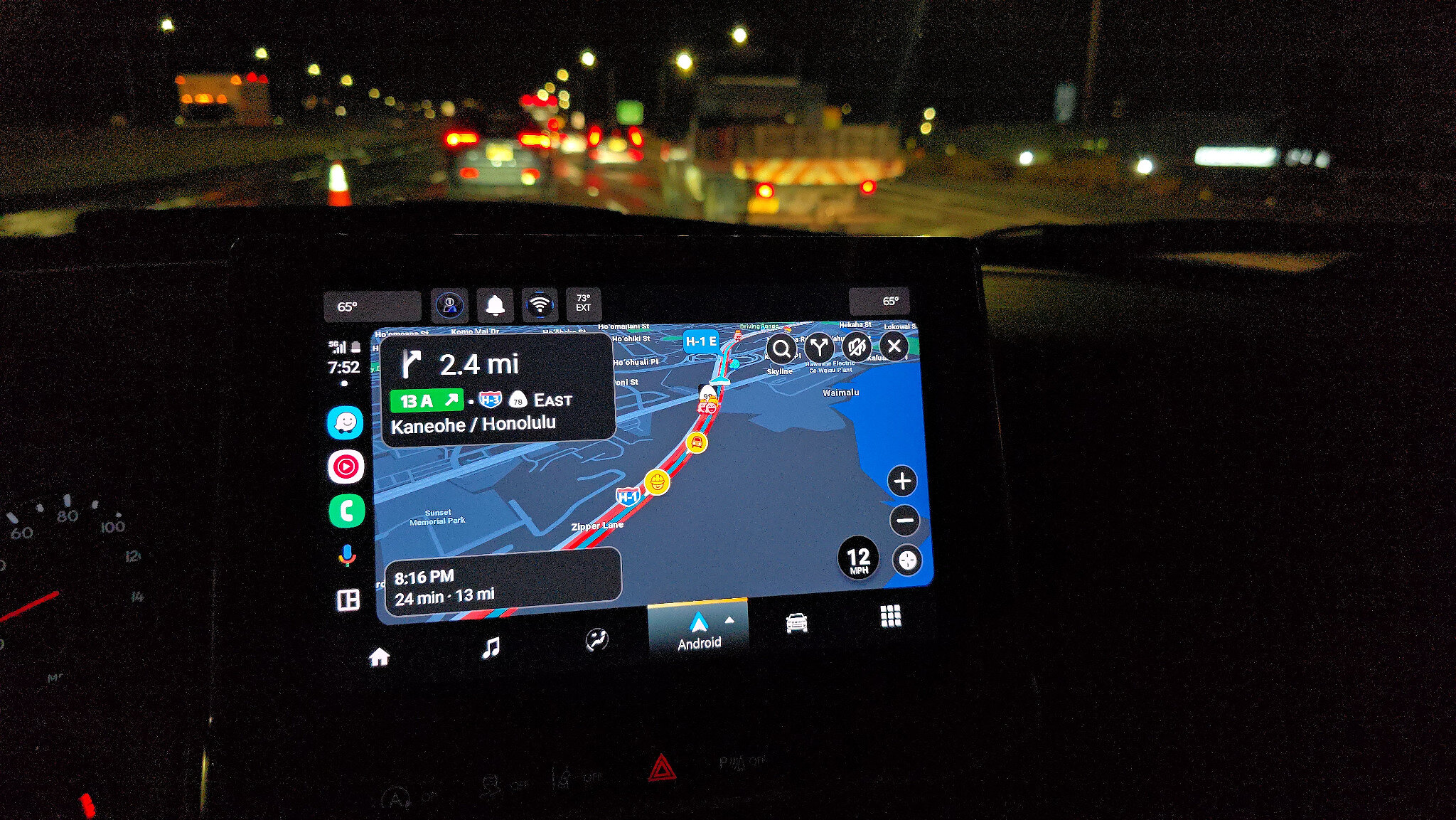
On Tuesday, Oct. 6, 2026, in Honolulu, the Hawai'i Department of Transportation announced an expansion of its public digital hazard alert system across four islands. According to a report by PR Newswire M&A, the initiative equips newly acquired department vehicles with advance warning technology through agreements with Sustainability Partners, a Public Benefit Company and pioneer of Infrastructure as a Service, and Emergency Safety Solutions, an Advance Warning Solutions company. The rollout builds upon an initial deployment on O'ahu and covers highway vehicles operating across multiple islands.
Fleet Upgrades and Automated Alerts
While HDOT maintenance and operational vehicles utilize standard light bars, visual warnings alone cannot reach motorists until a vehicle enters their line of sight. The deployment utilizes Hazard Enhanced Location Protocol technology to close that visibility gap. When a maintenance or safety vehicle activates its physical light bar, the associated alert network simultaneously transmits digital road awareness notifications to approaching drivers via popular navigation applications and in-vehicle infotainment systems. The software operates automatically alongside the light bar activation, requiring no extra steps from field personnel during operations.
Emergency Safety Solutions is an Advance Warning Solutions company dedicated to reducing secondary collisions and protecting vulnerable road users. The organization delivers advance warning through H.E.L.P. Lighting Alerts, H.E.L.P. Digital Alerts, and the H.E.L.P. Alert Network to foster earlier awareness, smarter actions, and safer roads.
Director and Executive Commentary
Ed Sniffen, Hawai'i Department of Transportation director, noted that department crews face identical occupational hazards regardless of whether they are deployed on major thoroughfares on O'ahu or rural routes on Hawai'i Island. He stated that motorists cannot react safely to unseen hazards, and the digital integration provides motorists with advanced notice before work crews come into physical view, affording extra time to reduce speed and change lanes. David Tucker, chief executive officer of Emergency Safety Solutions, added that traditional measures like cones, signs, lighting, and training remain necessary but still rely strictly on motorist line of sight. He noted that digital alerts extend safety perimeters upstream prior to visual contact with a work zone, showing how easily this life-saving technology can be deployed statewide without disrupting how efficiently crews do their jobs, much like how Adobe Firefly usage inside Fortune 500 legal teams triggers new audit clauses to secure operational workflows.
Research Metrics and Infrastructure Funding
Operational justification for the rollout draws from a February 2026 study conducted by the Illinois Center for Transportation at the University of Illinois. The academic evaluation demonstrated that combining digital warnings with highly conspicuous vehicle lighting caused approaching drivers to initiate reaction maneuvers four times farther away from work zones while achieving a 43% improvement in approach speed consistency. Funding and deployment are structured through Sustainability Partners, a public benefit company that facilitates funding, deployment, and ongoing care of essential infrastructure to help states, municipalities, universities, schools, and hospitals meet their needs.
Sustainability Partners can help solve any combination of funding, design, engineering, procurement, installation, and maintenance of essential infrastructure with no upfront costs. Like a utility, Sustainability Partners charges a monthly usage fee based on a month-to-month agreement to establish long-term relationships with customers and ensure their infrastructure remains safe, reliable, and improving forever. Arnold Albiar, Sustainability Partners managing partner for Hawai'i, stated that the agency avoids trade-offs between fleet modernization and worker safety by utilizing utility-style, month-to-month usage agreements without upfront capital costs, mirroring the disciplined resource allocations seen when OpenAI enterprise seat growth cools as CIOs confine copilots to regulated teams across enterprise markets.
Sophia Brennan
Wall Street Correspondent
Covers IPOs, buybacks, and the capital-markets calendar out of New York.


