September Retail Sales: Gas Drove Most of the 0.8% Gain
Sales rose 0.8% to $745.0 billion, but gas stations drove about 71% of the dollar gain and sales ex gas rose only 0.2%. Categories against prices.
Finance Reporter
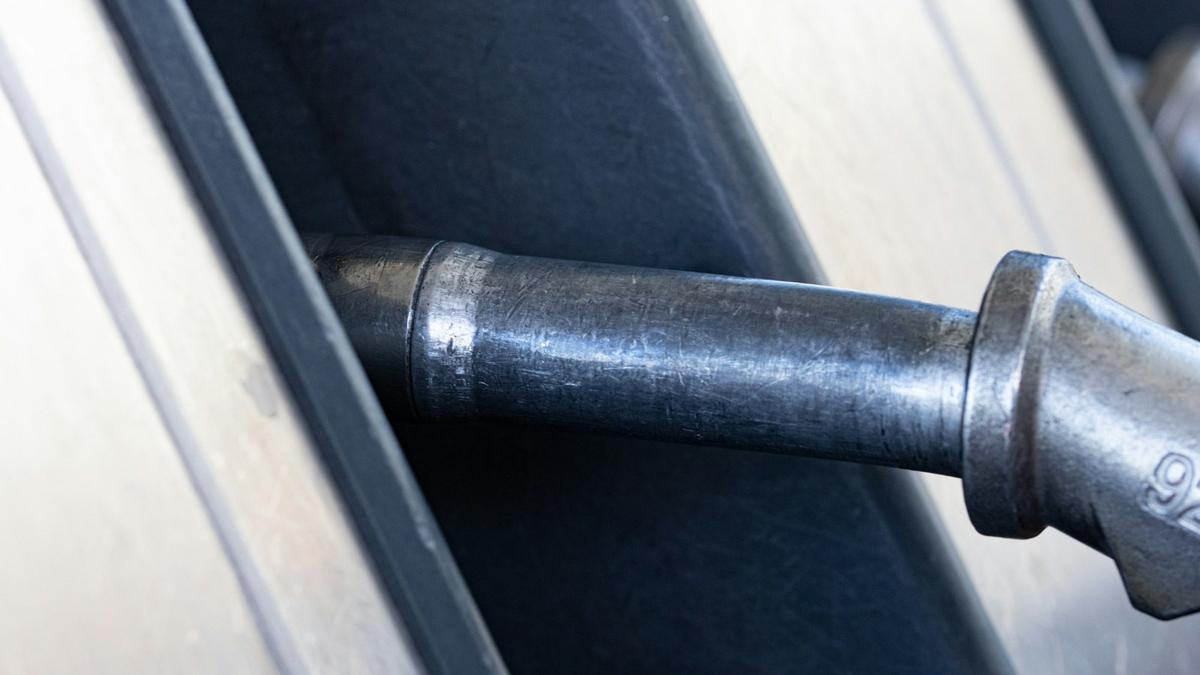
A close-up of a gas pump nozzle in a car's fuel filler. Photo: Marek Studzinski on Unsplash.
U.S. retail sales rose 0.8% in September, but gas stations supplied most of the gain. The Census Bureau's advance report put sales at $745.0 billion, and sales at gas stations jumped 6.4% in the month. Leave out gas stations and sales rose just 0.2%, below the 0.3% increase in core consumer prices, which exclude food and energy. By our calculation, gas stations accounted for about 71% of the dollar increase.
The Headline Beat, and What Sits Under It
Sales were up 6.3% from a year earlier and August was revised up to a 1.3% gain, according to the Census Bureau's report released Thursday, Oct. 15. Economists had expected a 0.3% rise for September, according to FactSet figures cited by AP.
The Census Bureau does not adjust these figures for price changes. That matters this month because gasoline prices are doing the work. The Bureau of Labor Statistics reported Wednesday that its gasoline index rose 9.1% in September on a seasonally adjusted basis and was up 34.2% from a year earlier. Gasoline accounted for over half of the 0.6% monthly rise in the overall consumer price index.
The ex-gas figure is also soft by the Census Bureau's own yardstick. In its Table 3, the median standard error for that monthly change is 0.2 points, so a 0.2% move falls within the survey's margin of error. The release flags the same 0.2% reading for sales excluding autos and gas as not statistically different from zero.
Sales Growth Versus Price Growth
Because sales are not adjusted for inflation, one way to read them is to set each category's sales growth beside the price change for the closest matching item. The table below is our comparison, not an official measure. Store categories sell mixed goods, and the Census figures are seasonally adjusted while the CPI changes are not, so treat the gaps as a rough guide.
| Category | Sales, year over year (Census) | Matching prices, year over year (BLS) | Sales growth vs. prices, points |
|---|---|---|---|
| Gas stations vs. gasoline | +28.1% | +34.2% | 6.1 slower |
| Grocery stores vs. food at home | +0.9% | +1.8% | 0.9 slower |
| Restaurants and bars vs. food away from home | +7.0% | +3.5% | 3.5 faster |
| Clothing stores vs. apparel | +5.0% | +3.4% | 1.6 faster |
Gas stations are the clearest case. Sales there grew more slowly than gasoline prices, which suggests drivers bought less fuel or fewer other items for the money. That is an estimate, since gas stations also sell snacks and other goods.
Groceries show a similar squeeze over the year, with sales growth of 0.9% against 1.8% for grocery prices. In September alone, grocery store sales rose 0.5% while the food-at-home index fell 0.1%, so the month itself was better than the year. Restaurants ran the other way. Sales at food services and drinking places rose 1.1% in the month and 7.0% over the year, well ahead of menu prices.
One Caution on Restaurants
That restaurant figure does not match every other gauge. Fiserv's small business index, which we covered earlier this month, showed restaurant sales down 1.0% in September with transactions off 3.9%. The two sources measure different things: Fiserv tracks the small businesses on its platform, while the Census survey draws on about 4,800 firms weighted to represent all retail and food service firms. The difference is a reason not to lean on any single restaurant number.
What It Means for Shoppers
Online and other nonstore retailers were up 8.2% from a year earlier and 0.3% in the month, the Census Bureau reported, so spending is not weak everywhere. For households, the report fits a month when fuel took a larger share of the budget. TradeFlock noted last month that high gas prices were already straining shoppers. Annual consumer inflation reached 3.7% in September, up from 3.4% in August, and the energy index was up 20.4% from a year earlier.
The next retail sales report, for October, is due Nov. 17. The next consumer price report is due Nov. 10. Watch whether sales excluding gas keep trailing core prices once the fuel jump stops lifting the headline.
Photo: Gas pump nozzle by Marek Studzinski on Unsplash, used under the Unsplash License.
Priya Nair
Finance Reporter
Writes on banks, private credit, and the regulatory perimeter around nonbank lenders.