Why the Epstein Files continue to rattle institutions and raise questions for American power
There are many different types of people in the world. Some collect art, some house, while most are in a constant pursuit of reputation-building.
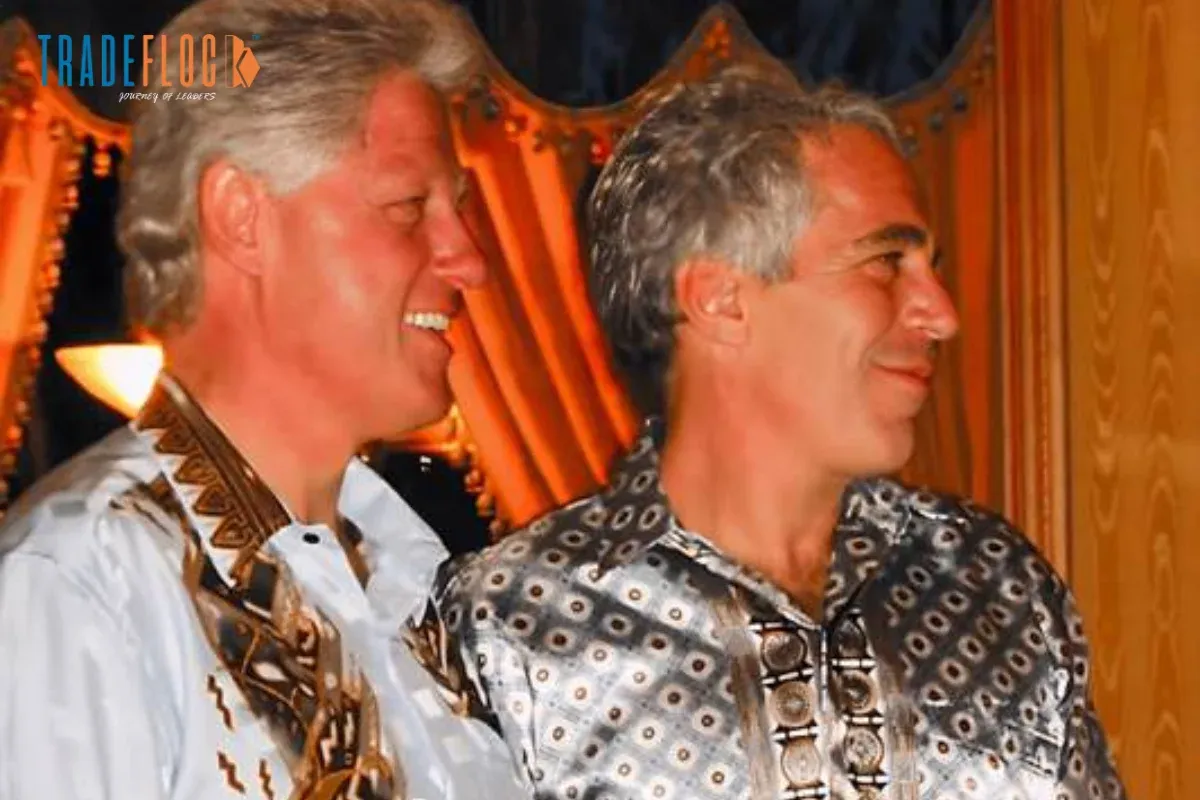
There are many different types of people in the world. Some collect art, some house, while most are in a constant pursuit of reputation-building. Jeffrey Epstein, on the other hand, collected ‘papers’ such as invoices, flight logs, emails, court filings, and photos. These ‘papers’ have been the slow, stubborn, but inevitable flashlight revealing how the ultra-wealthy and powerful sects of American society were hiding what they do in plain sight.
The Archive That Keeps Coming Up!
What people call the “Epstein Files” is not a single dossier but an amalgamation of thousands of documents and materials produced over years of litigation, grand-jury work, civil discovery, and, most recently, targeted releases and journalistic reports. This means that the files comprise documents collected over the years from various sources. These also include findings and documents that were sealed by the court or archived by media houses at one point in time. Major media organisations and courts have gradually made many of those materials public; others remain tightly redacted or withheld by prosecutors. The sheer scale of documents means new details surface periodically, creating fresh headlines and fresh political fallout.
From Lawsuit to Litigation: The Timeline of These ‘Files’
The Epstein files did not explode into the public domain; better yet, they seeped out over time. Early disclosures came in the form of suits filed by survivors, particularly during the litigation connected to Ghislaine Maxwell, a British Socialist and a convicted child sex offender. Hereafter, the court ordered the unsealing of long-sealed discovery material in 2023 and 2024, revealing many names that had been circulated privately for years.
After that, Journalistic investigations followed. Top American news outlets like Bloomberg and The New York Times obtained emails, schedules and records through independent sourcing during 2024-2025. As public pressure mounted, lawmakers made efforts to declassify the files. In 2025, the Trump administration pushed the Department of Justice to release additional Epstein-related material. However, once the DOJ complied, heavy redactions and reports that many files were missing only deepened public mistrust.
Most Consequential Documents and What They Show!
As mentioned earlier, the ‘Epstein Files’ are an amalgamation of various documents revealing different aspects of the files.
First are unsealed court filings and testimony. These include detailed victim declarations and grand-jury material describing abuse patterns, recruitment practices, and the role of intermediaries, particularly Ghislaine Maxwell. These documents formed the backbone of Maxwell’s 2021 criminal trial and remain the most legally consequential part of the record.
Second are emails and estate documents. Reporting in 2025 uncovered tens of thousands of Epstein emails that read, on their face, like the correspondence of a well-connected financier: dinner invitations, introductions, philanthropic conversations. Journalists have repeatedly emphasised that correspondence alone does not establish criminal conduct. What it establishes is reach.
Third are flight logs and visitor records, disclosed earlier through civil litigation. These logs identify prominent individuals who flew on Epstein’s planes or visited his properties. Courts and responsible newsrooms have consistently warned against equating presence with guilt, a caution that matters precisely because the names involved are so powerful.
Names, Nuances & Paper Trail Limits
This is where discomfort sets in. To see names that are so much ingrained in the ethos of America really tells you that, no matter what, the general public never knows the full picture.
Several high-profile American figures appear in the Epstein files in varying degrees. For Instance, former President Bill Clinton is documented in flight logs and civil filings as having flown on Epstein’s aircraft multiple times. However, Clinton has acknowledged knowing Epstein socially and denies any knowledge of abuse. As a result, no criminal charges have been brought against Clinton, but it's still too early to draw any hard conclusions.
Another name that few people expected was Donald J. Trump. He appears in Epstein’s contact records and was photographed socialising with him in the 1990s. Trump famously told New York Magazine in 2002 that Epstein liked women “on the younger side.” Trump does not appear in flight logs, no survivor has accused him, and no criminal findings link him to Epstein. However, one instance that garners attention is when Epstein allegedly introduced a 14-year-old girl to Trump, and asked him, in respect to the girl, “this is a good one, right?”, to which Trump replied with a chuckle, according to the files.
In the cultural sphere of the US, figures such as Mick Jagger, Michael Jackson, and Diana Ross surface in address books or social references, illustrating Epstein’s access to celebrity circles; none are accused in Epstein-related court filings. Internationally, Prince Andrew (Andrew Mountbatten-Windsor) stands apart, having settled a civil case without admitting wrongdoing.
Not only that, but Epstein was also in bed with businessmen like Bill Gates and Les Wexner. In several photos of Epstein’s parties, Bill Gates is clearly seen with his arm around a girl’s waist. Wexner, however, occupies a very different position; Epstein’s wealth, residence, and legitimacy flowed directly from Wexner, who granted him power of attorney and extraordinary financial control. That said, Wexner has not yet been charged with any felony.
Why The ‘Files’ Still Matter?
The Epstein files are not a single revelation. They are excavations that never quite end. They remind us that power rarely needs to conspire; it can simply delay, diffuse, and deflect.
For American institutions, the files are less about proving guilt than confronting failure — failure to ask hard questions early, failure to act decisively, and failure to place victims above reputations.
The documents are there. What remains unresolved is how we choose to use them.
Share this article Latest News Categories More News