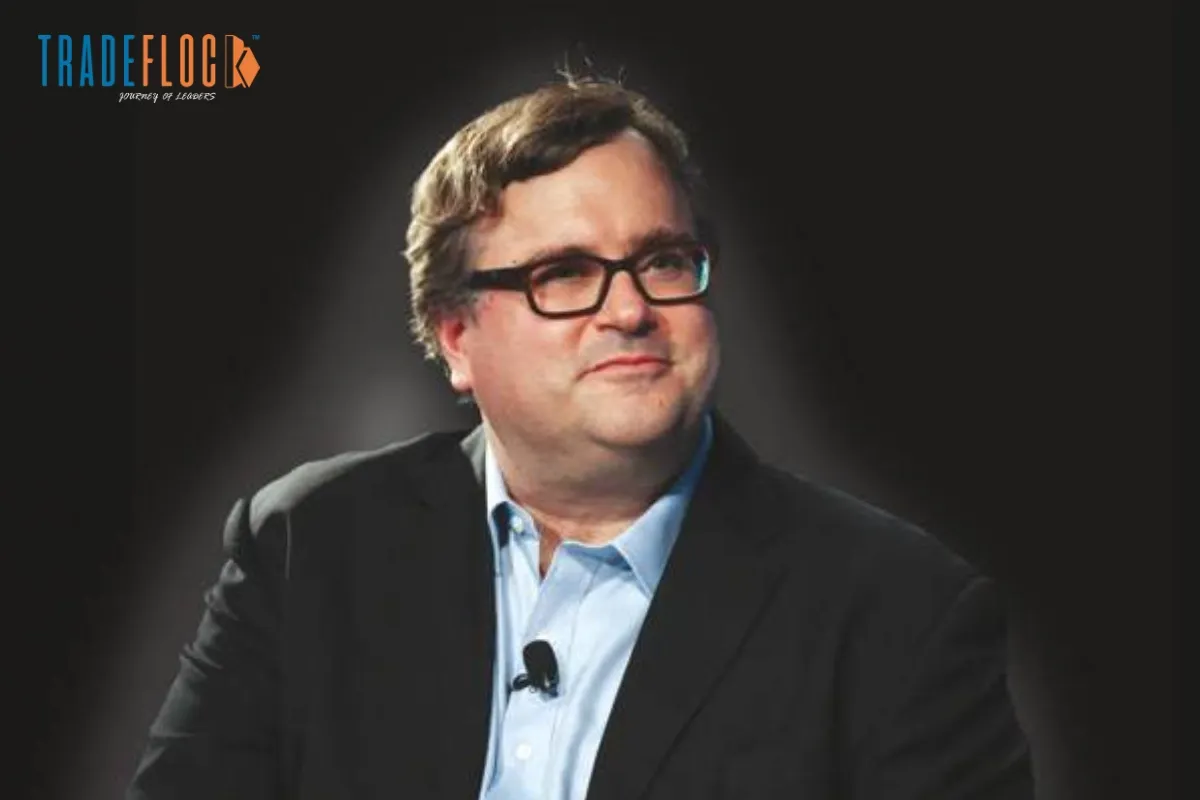
In the early 2000s, while Silicon Valley was busy recovering from the Dot-Com crash, Reid Hoffman was pursuing an idea that would change the world forever, at least the corporate one.
In the early 2000s, while Silicon Valley was busy recovering from the Dot-Com crash, Reid Hoffman was pursuing an idea that would change the world forever, at least the corporate one. Instead of chasing rapid monetization or mass consumer virality, he envisioned a professional network, rooted in trust, identity and long-term career value. That idea became LinkedIn.
Launched in 2003, LinkedIn did not explode overnight, nor was it designed to. Instead, it compounded steadily, ultimately becoming the world’s largest professional networking platform and one of the most successful consumer-enterprise hybrids in technology history. By the time Microsoft acquired LinkedIn for $26.2 billion in 2016, the platform had fundamentally reshaped how professionals connect, hire, and build careers globally.
Reid Hoffman’s Background Before Launching LinkedIn
A blend of philosophy, technology, and product experimentation shaped Reid Hoffman’s path to LinkedIn. He graduated from Stanford University and later earned a master’s degree in philosophy from Oxford as a Marshall Scholar. His early career included roles at Apple and Fujitsu, followed by the founding of SocialNet in 1997, an online dating and social networking platform that predated many modern social networks. While SocialNet ultimately failed to scale, it provided Hoffman with critical insights into network effects, user identity, and the difficulty of building trust online.
After SocialNet, Hoffman joined PayPal as an executive vice president, where he worked alongside Peter Thiel and Elon Musk. PayPal’s success reinforced Hoffman’s belief in network-driven platforms and helped him build relationships that would later prove instrumental in LinkedIn’s early funding and hiring.
Special Note: Several iconic companies emerged from PayPal’s early team, now called the PayPal Mafia, including Tesla, SpaceX, LinkedIn, Palantir, YouTube, Yelp, Yammer, Affirm, Solar City, Quora, Airbnb, and Kiva.
The Founding of LinkedIn
LinkedIn was founded in December 2002 and officially launched in May 2003 by Reid Hoffman and a small founding team that included Allen Blue, Konstantin Guericke, Eric Ly, and Jean-Luc Vaillant. Unlike consumer social networks of the era, LinkedIn was built around real identities and professional credibility rather than anonymity or entertainment. The platform’s core thesis was that careers, unlike friendships, are long-term assets, and that professionals would behave differently in a network tied directly to their reputations
By the end of its first month, LinkedIn had approximately 4,500 users, growing primarily through invitations rather than advertising. This deliberate, trust-first growth strategy limited early scale but strengthened engagement and data quality.
Early Growth and Network Effects
LinkedIn reached 1 million users in 2004, roughly a year after launch. Growth remained steady rather than explosive, a pattern Hoffman later described as intentional. By 2006, the platform had crossed 5 million users, and by 2009, it had reached 50 million members, marking its transition from a niche network to a global professional infrastructure.
A defining feature of LinkedIn’s expansion was its focus on network effects within industries rather than across the general population. Professionals joined because their peers were present, recruiters joined because talent was present, and employers joined because recruiters were present. This circular dependency became LinkedIn’s strongest moat.
Monetisation and Business Model Evolution
LinkedIn introduced monetisation gradually, beginning with premium subscriptions and recruitment tools rather than advertising. By 2011, the year LinkedIn went public, revenue reached $522 million, with hiring solutions accounting for the majority of income.
By 2015, LinkedIn’s annual revenue had grown to $2.99 billion, driven by talent solutions, marketing solutions, and premium subscriptions. This diversified revenue model allowed LinkedIn to monetise without compromising user trust.
IPO and Microsoft Acquisition
LinkedIn went public in May 2011, debuting at $45 per share and closing its first trading day at $94.25, valuing the company at approximately $8.9 billion. The IPO was one of the most successful tech listings of the decade.
In 2016, Microsoft acquired LinkedIn for $26.2 billion in cash, representing a premium of about 50 per cent over its market value at the time. At the time of acquisition, LinkedIn had over 433 million users worldwide.
Scale and Global Impact
As of 2024, LinkedIn reports over 1 billion members across more than 200 countries and territories, with over 67 million companies listed and approximately 14 million job openings at any given time. The platform has become a core layer of the global labour market, influencing hiring, professional branding, and corporate visibility.
A Network That Redefined How the World Works
Reid Hoffman did not merely build a successful technology company; he architected a new layer of global economic infrastructure. LinkedIn’s rise was never about speed or spectacle, but about patience, trust, and an unusually clear understanding of how professionals think, behave, and invest in their careers. By anchoring the platform in real identities and long-term value, Hoffman transformed networking from a transactional exercise into a compounding asset.
From its modest, invitation-only beginnings to becoming a billion-member platform embedded in the global labour market, LinkedIn stands as proof that sustainable growth often outperforms viral ambition.
Share this article
Latest News
Categories
More News